← Back to Work

Residential Planning
in Stockport

Stockport, Greater Manchester, UK · 2024
Housing Sustainability
Where

Locating the site

From the whole earth down to the site in Stockport, Greater Manchester. Drag, zoom and explore.

Stockport, Greater Manchester, UK  ·  53.4166° N, 2.1570° W
Earth → Stockport

Site Analysis

[ 01 / 05 ]
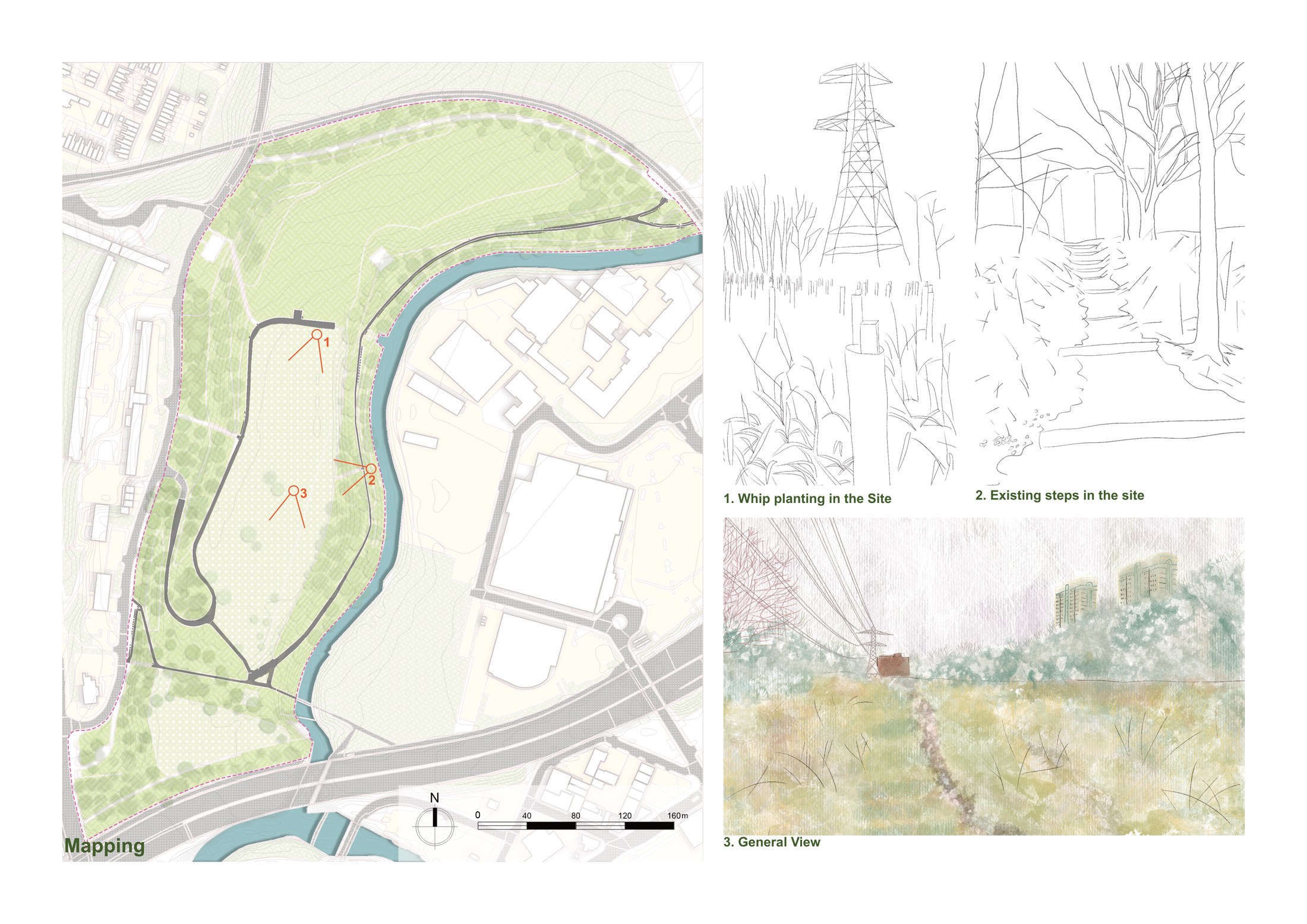
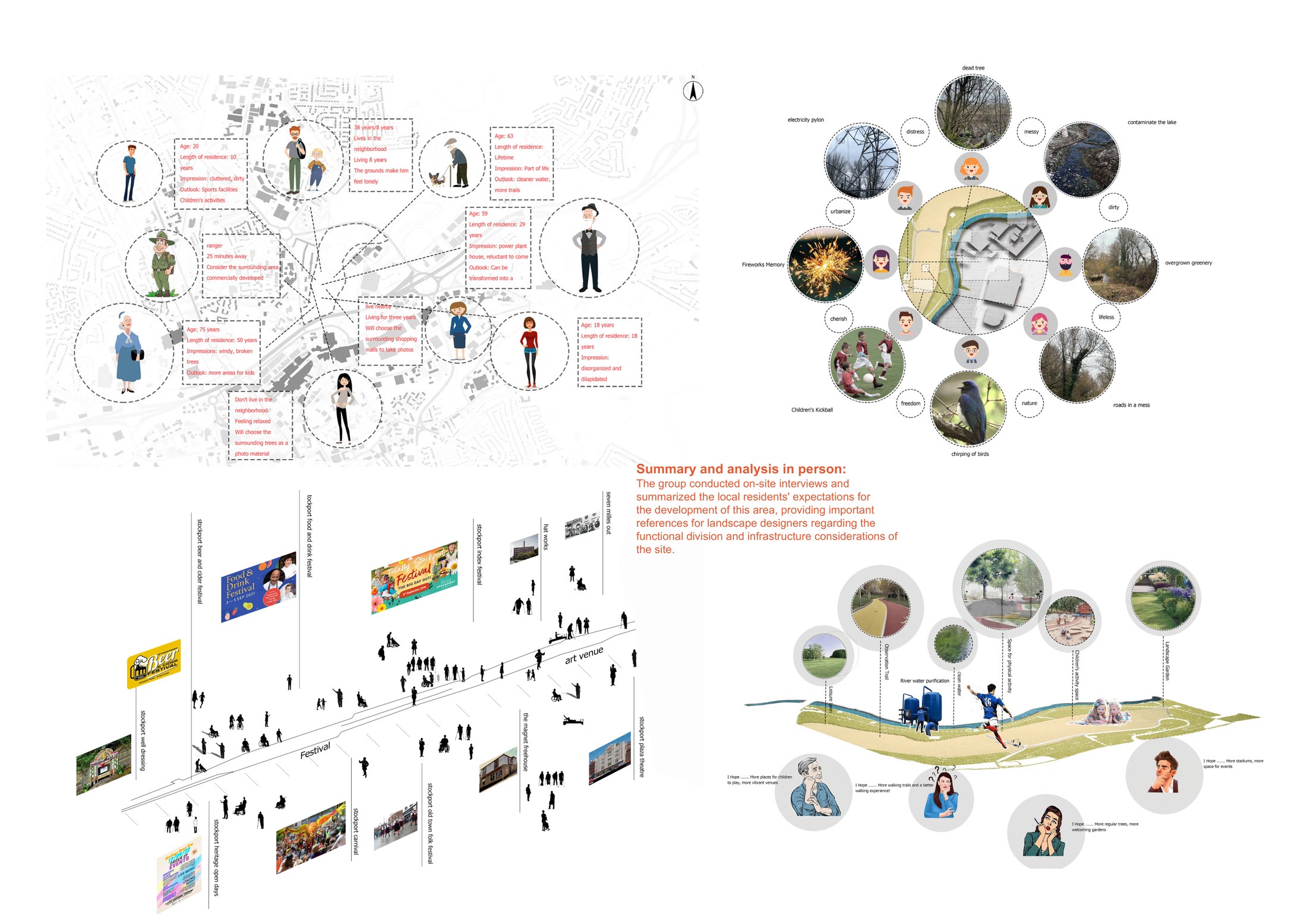
Subjective site experience recordings
01Subjective site experience recordings
Site analysis synthesis
02Site analysis synthesis
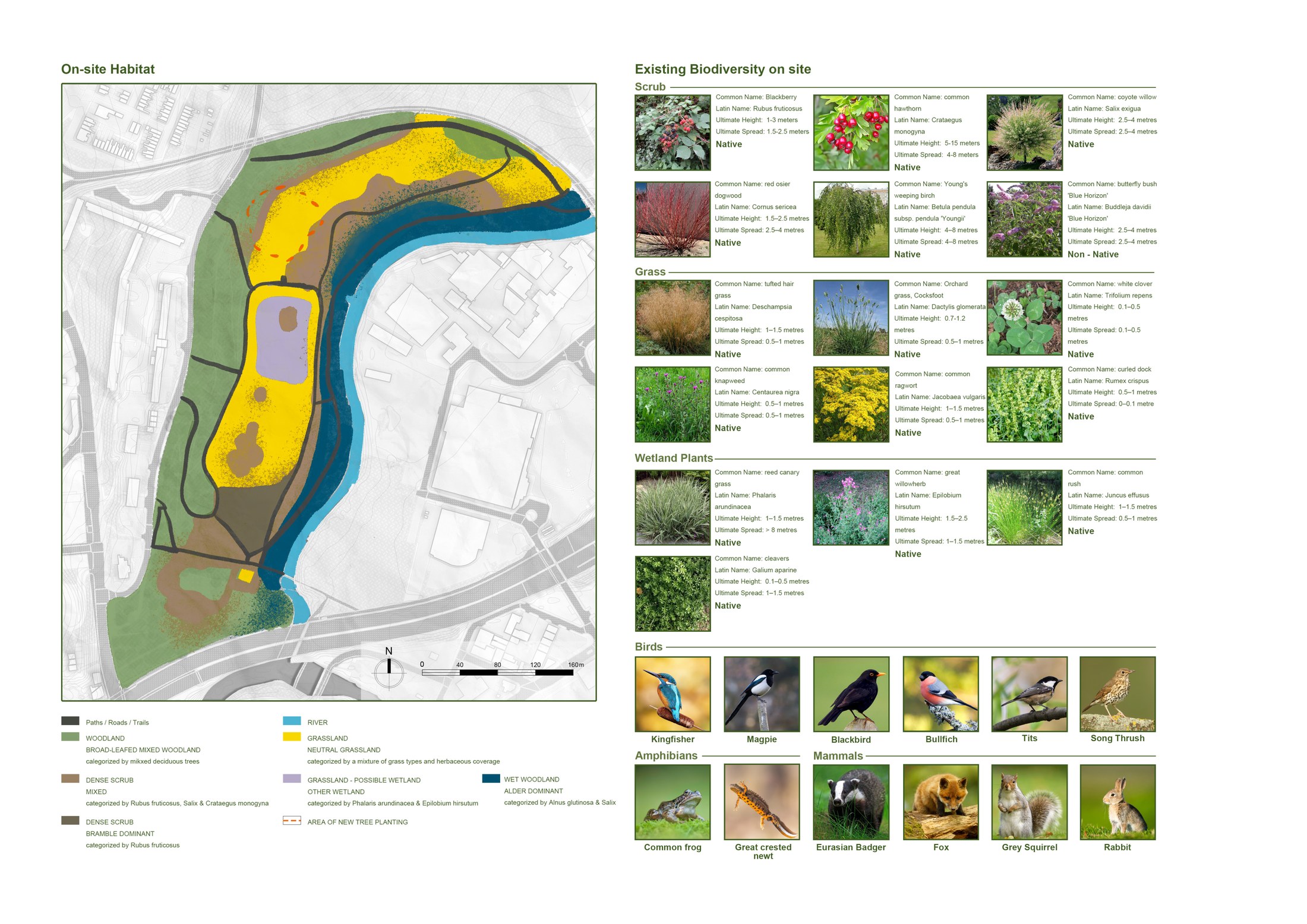
Site Habitat Analysis
03Site Habitat Analysis
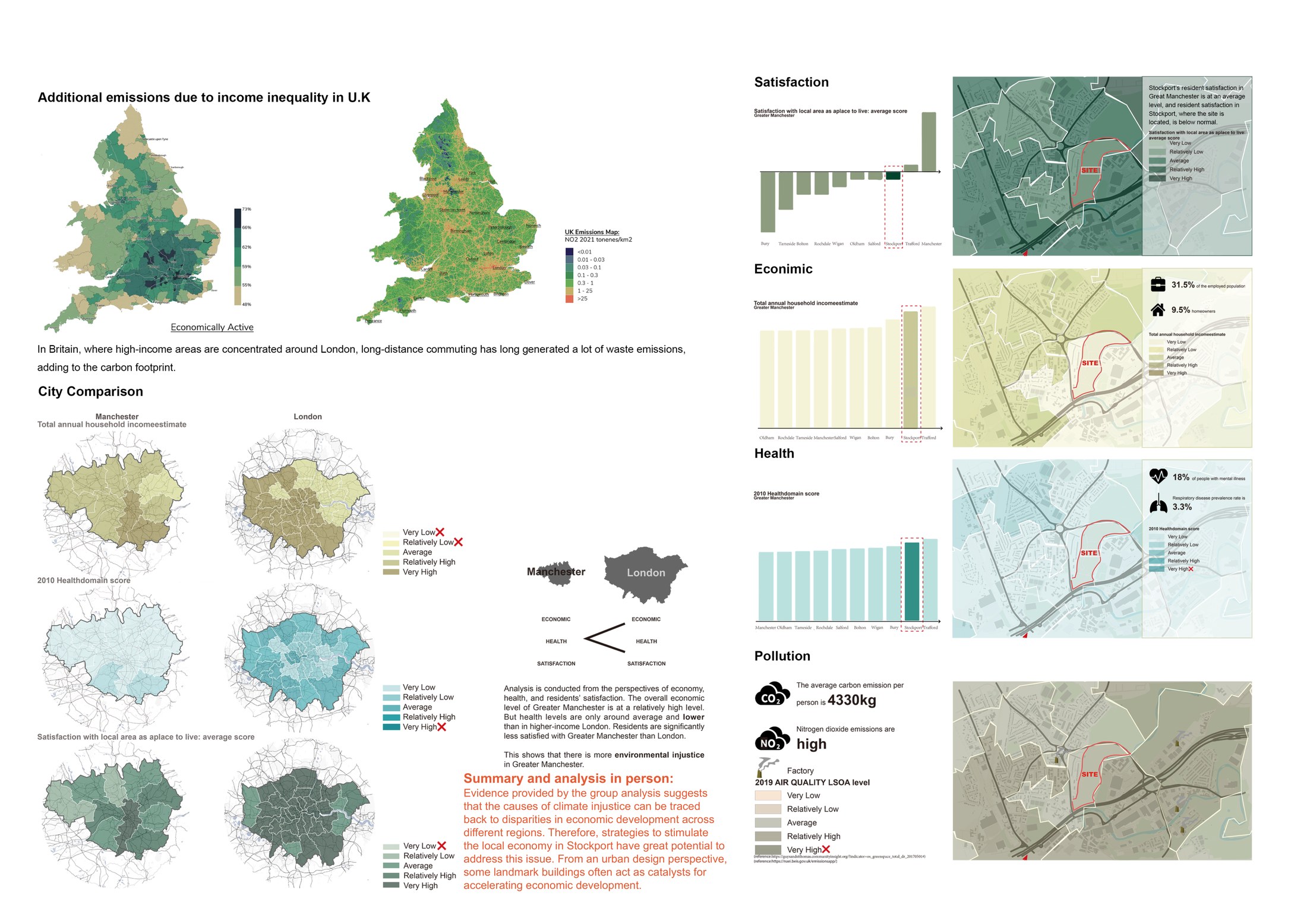
Climate in)justice analysis
04Climate in)justice analysis
Landscape identity
05Landscape identity
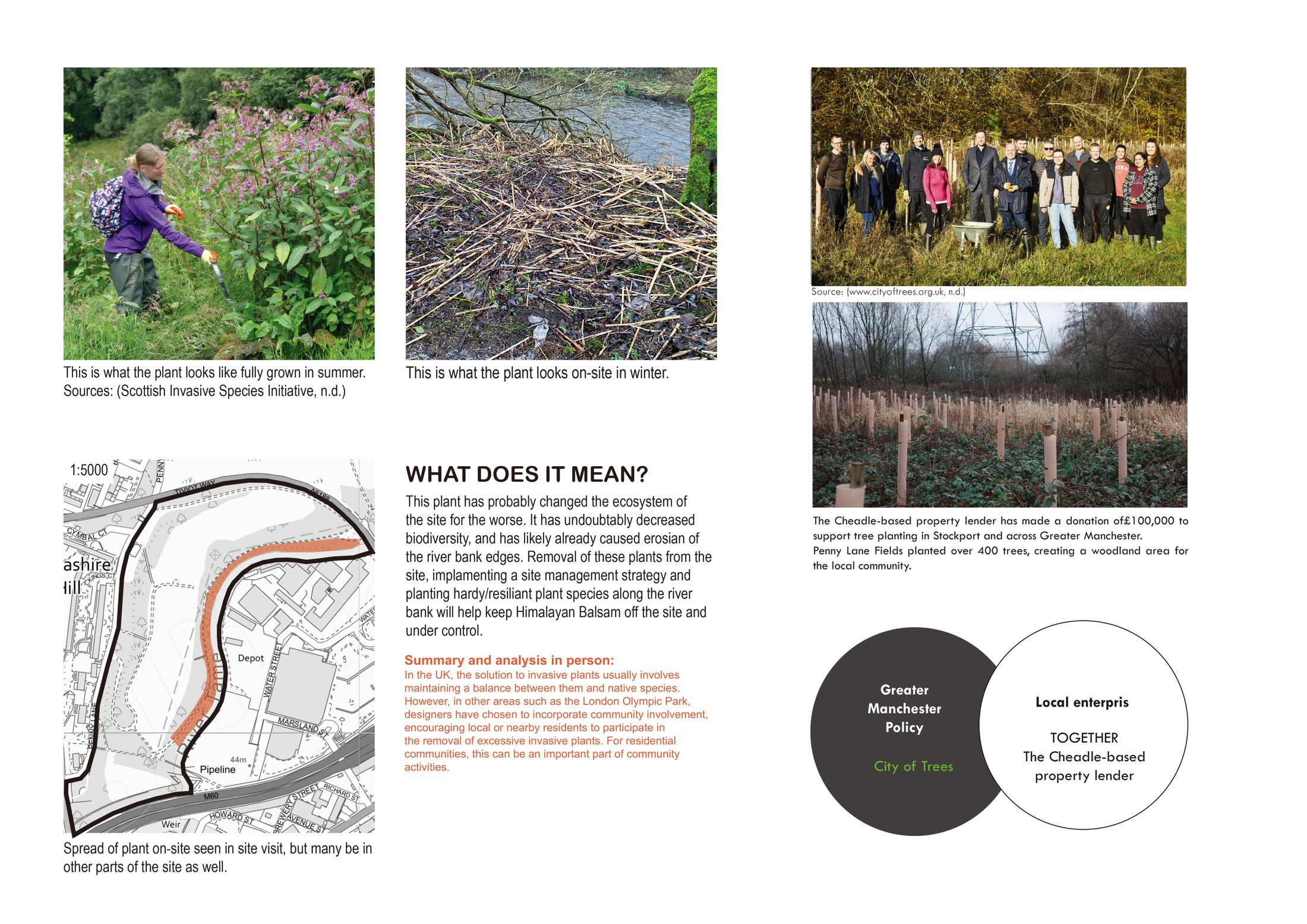
Invasive Plant Management + Community Engagement
06Invasive Plant Management + Community Engagement
Site Vision(s) indicating temporal changes
07Site Vision(s) indicating temporal changes
Principles, Precedent and Theory about Biodiversity
08Principles, Precedent and Theory about Biodiversity
Principles, Precedent and Theory about Housing
09Principles, Precedent and Theory about Housing

Design Iteration

[ 02 / 05 ]

Design Aim — four intentions guiding the scheme, from ecology and community to housing, flood risk and recreation.

01

Aim for Nature

Increase biodiversity and associated cultural services creating habitats and infrastructure specifically for iconic species, Balance the ecological space of invasive species and native species

Nature + Community

Promote the home garden, solve the problem of plant invasion through community participation, and implement collaborative community to response spirit of One stockport.

02

Aim for Housing

Try to use low carbon materials to build houses and reduce the overall carbon life cycle. Features such as green roofs enhance the environmental friendliness and decrease potential climate injustice of the area.

03

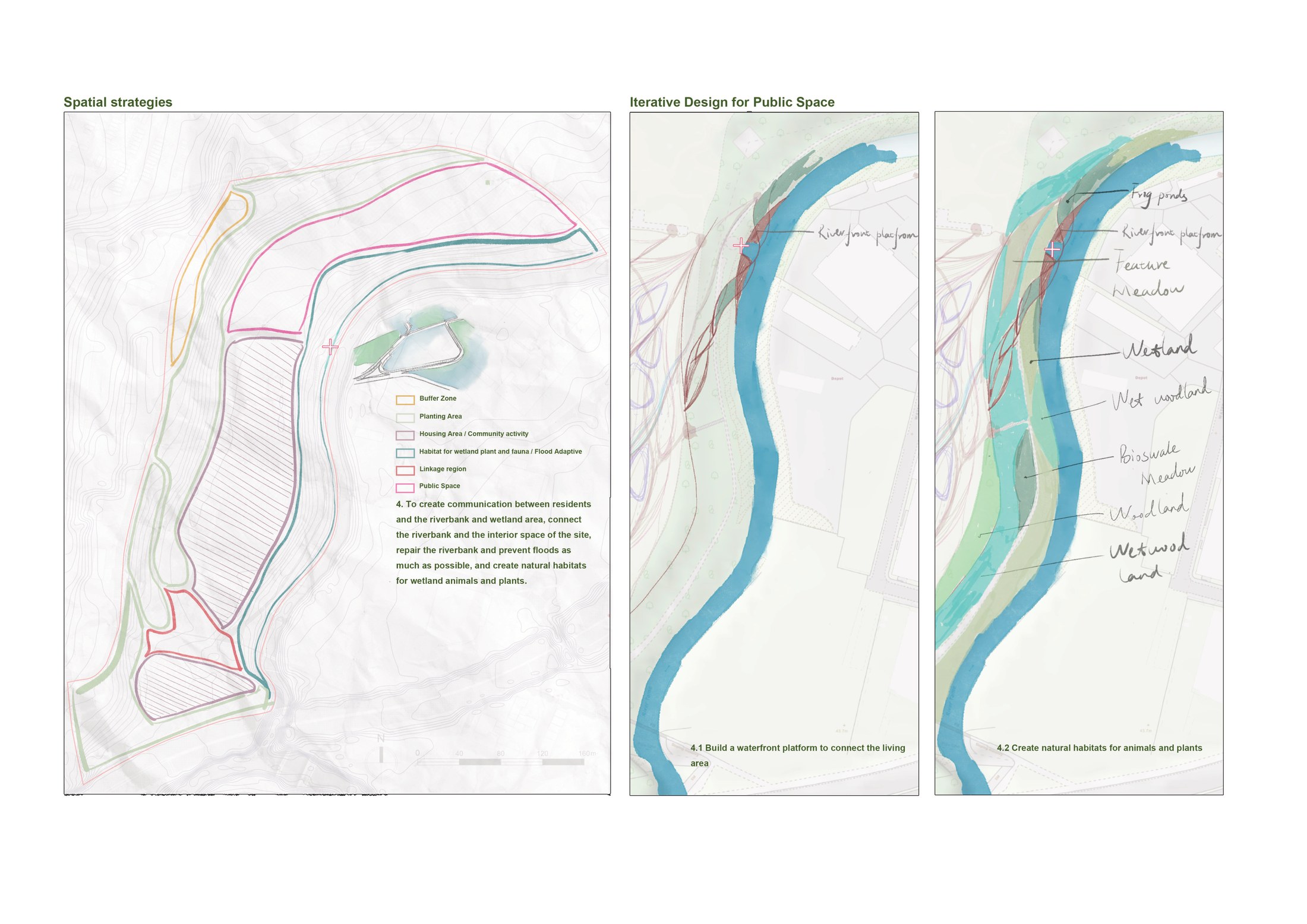
Aim for Flood Risk

The riverbank was restructured, corridors were added to enhance the interaction between residential areas and the coast.

03

Aim for Recreatation

Provide Lawn for family activities in the area, and build some simple recreational facilities around to enrich community activities.
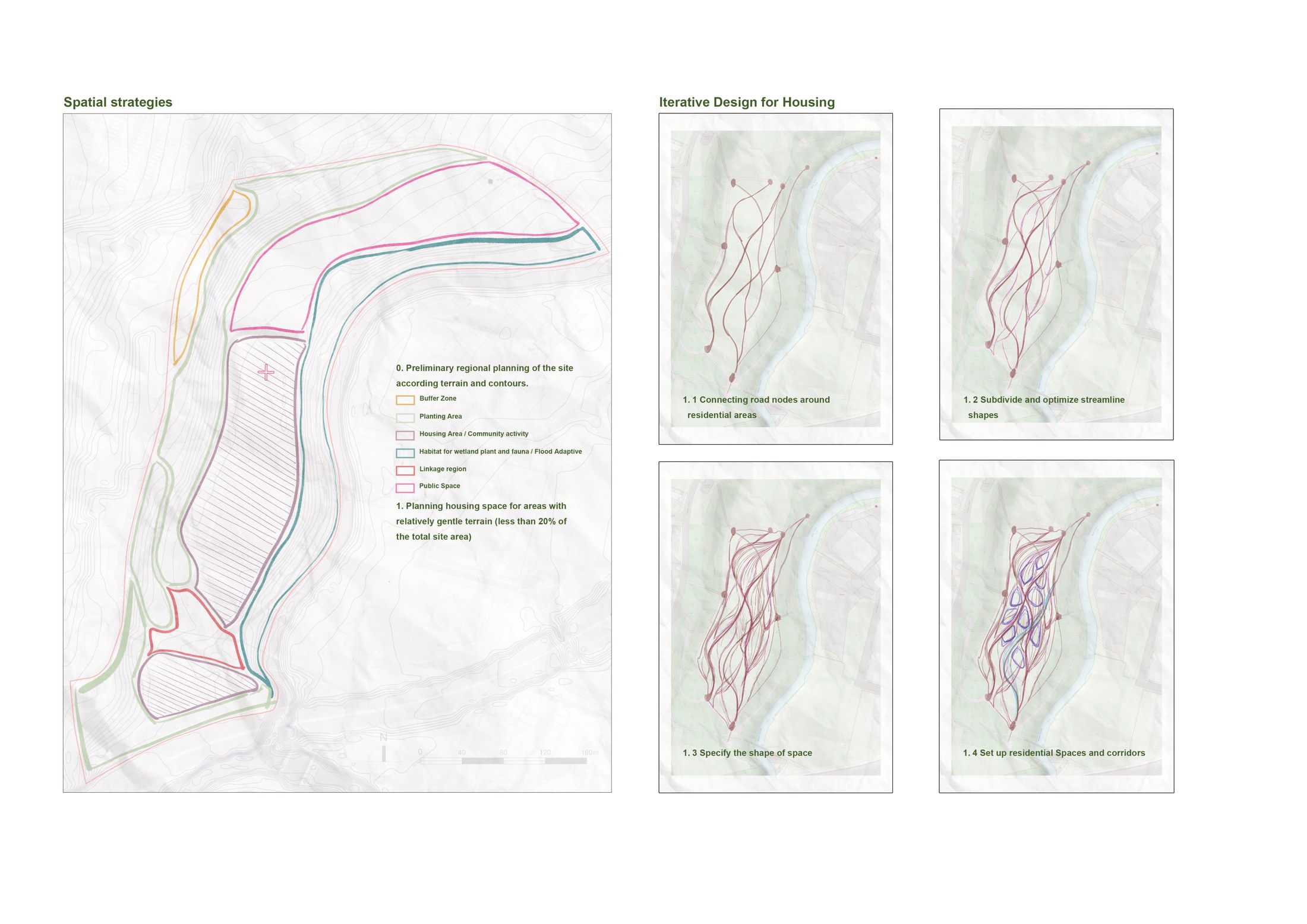
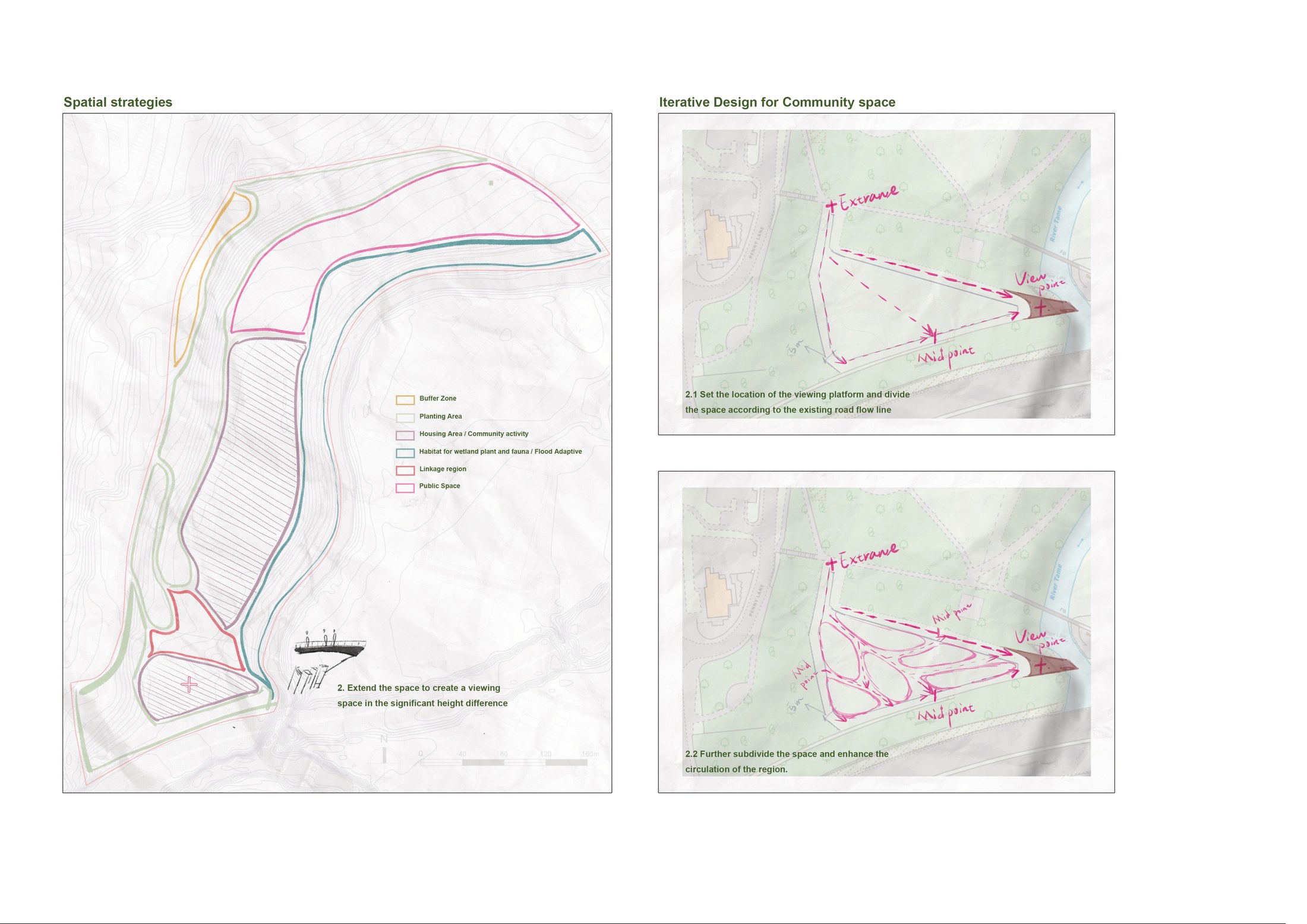
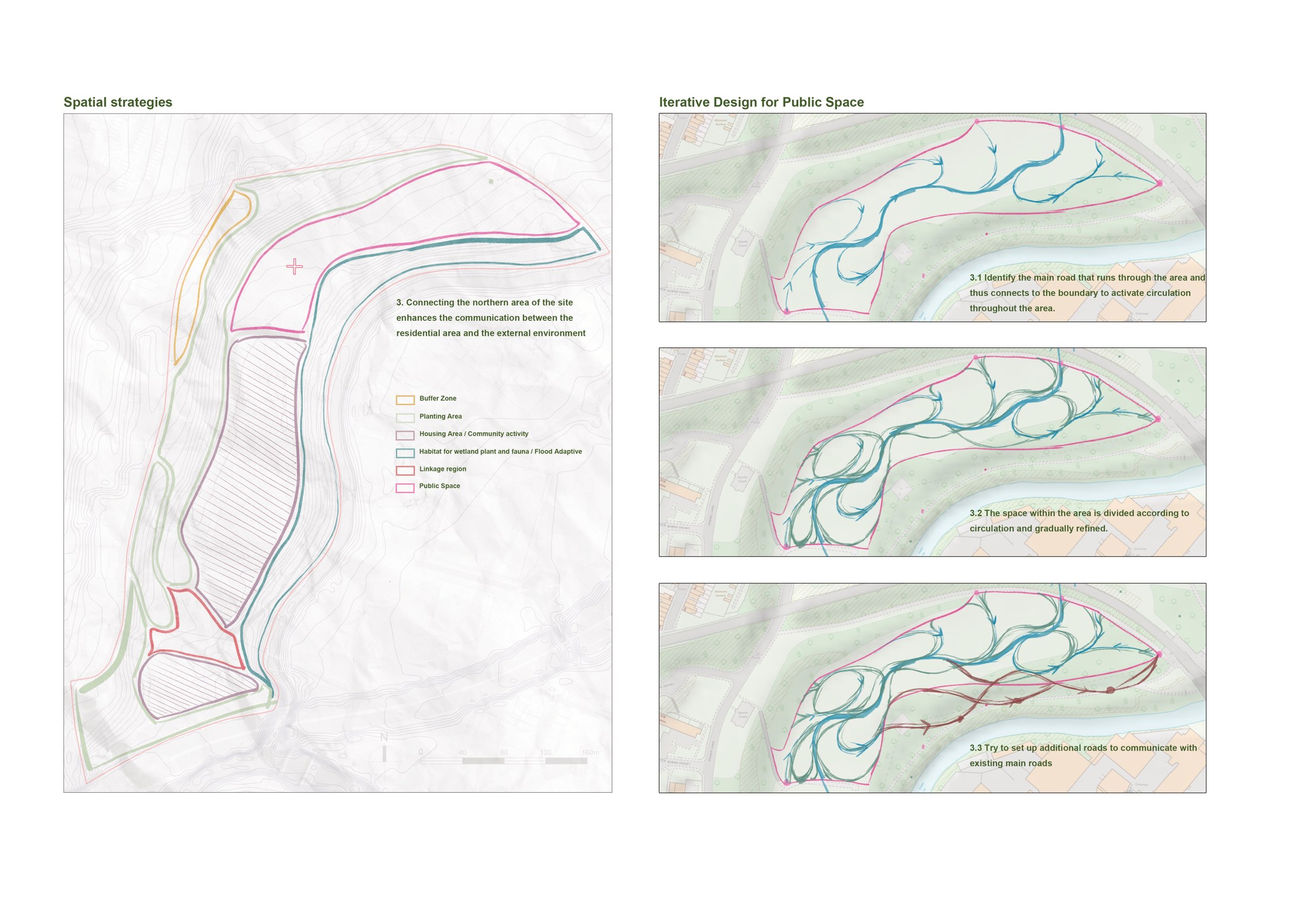
Iterative design sketches for Housing Cluster
01Iterative design sketches for Housing Cluster
Iterative design sketches for Southern Area
02Iterative design sketches for Southern Area
Iterative design sketches for Northern Area
03Iterative design sketches for Northern Area
Iterative design sketches for Riverside
04Iterative design sketches for Riverside
Sketch Model
05Sketch Model

Design Refinement
[ 03 / 05 ]
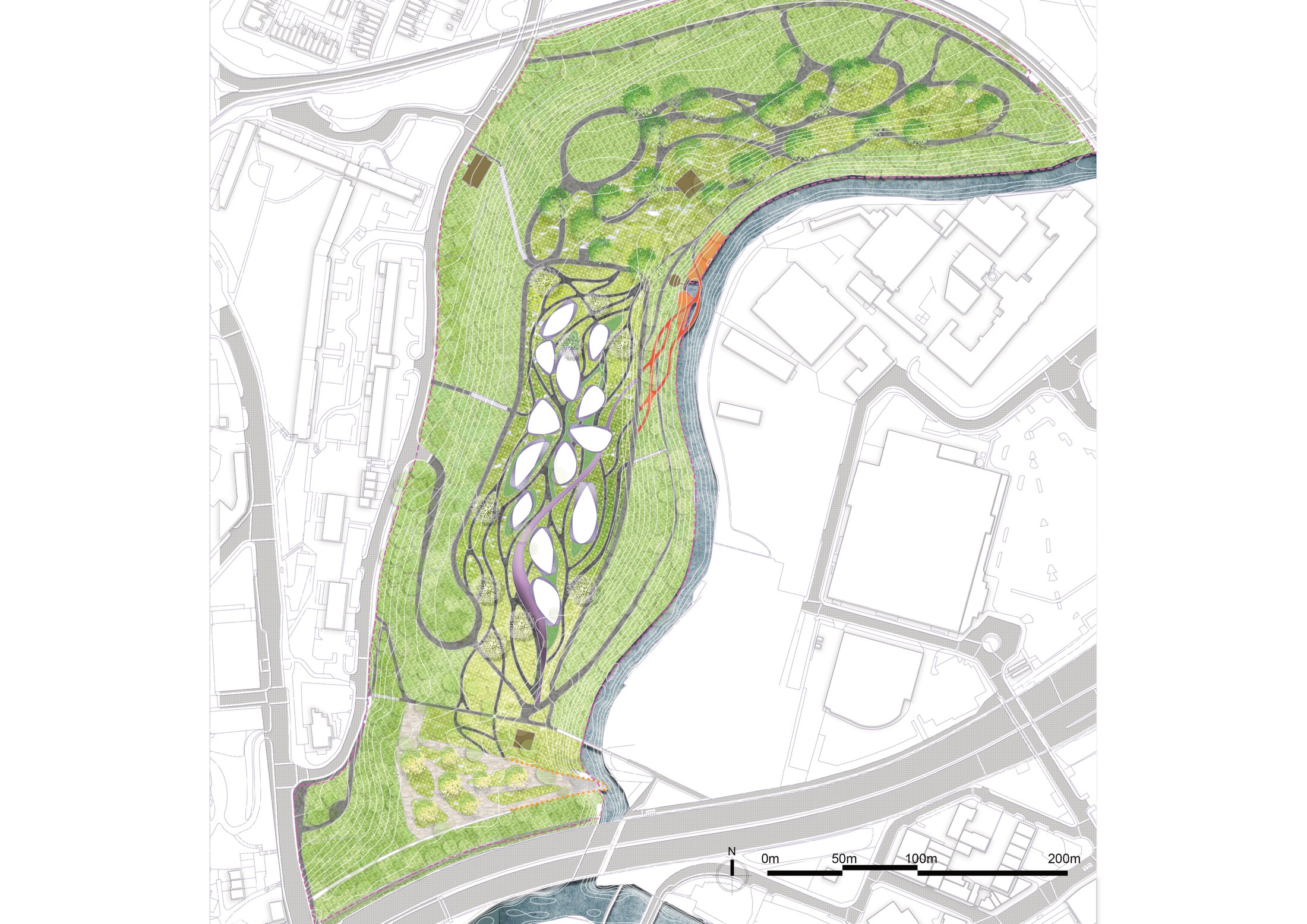
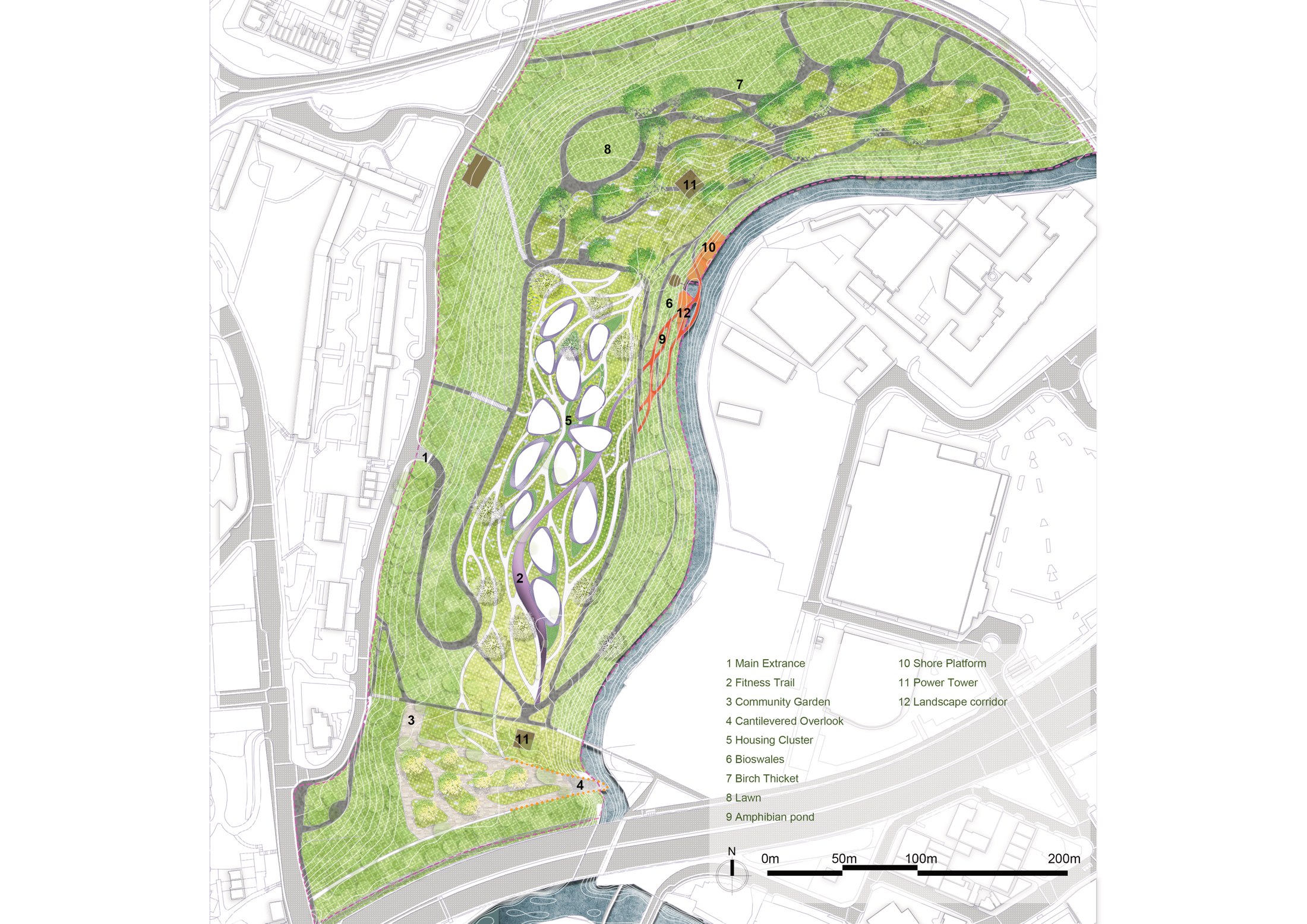
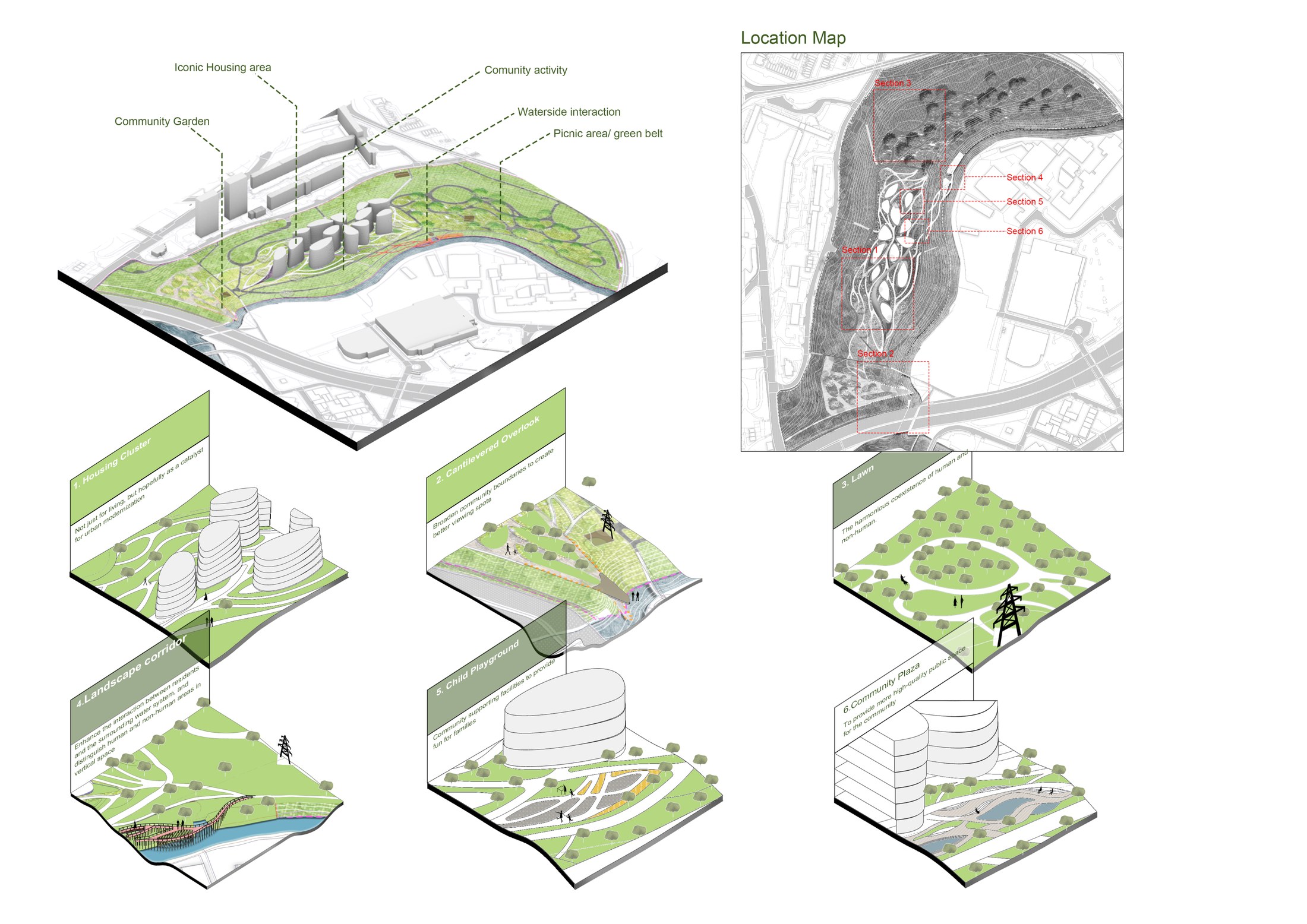
General Layout
01General Layout
Annotated master plan in 1.2000
02Annotated master plan in 1.2000
General Layout
03General Layout
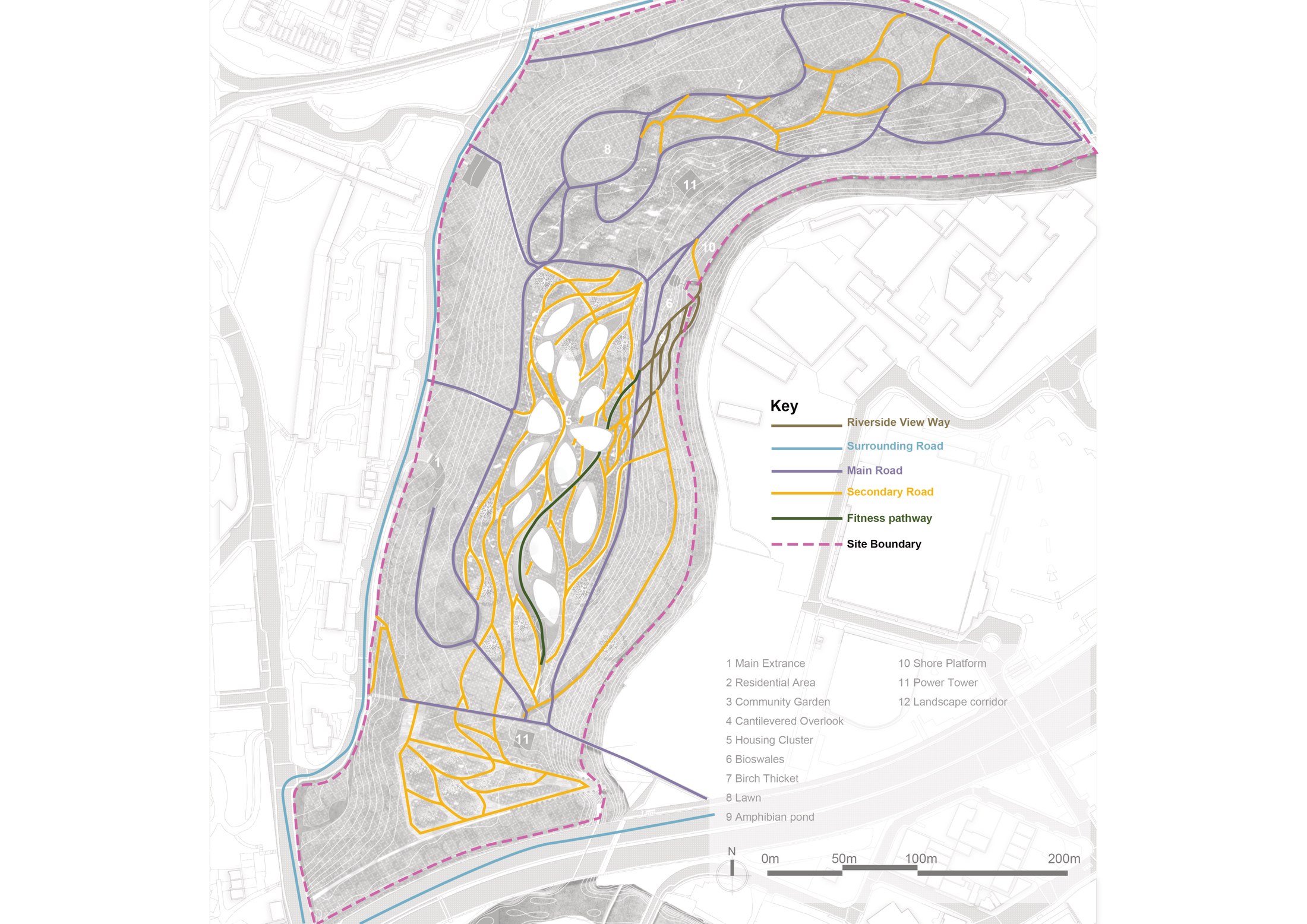
Access and Circulation
04Access and Circulation
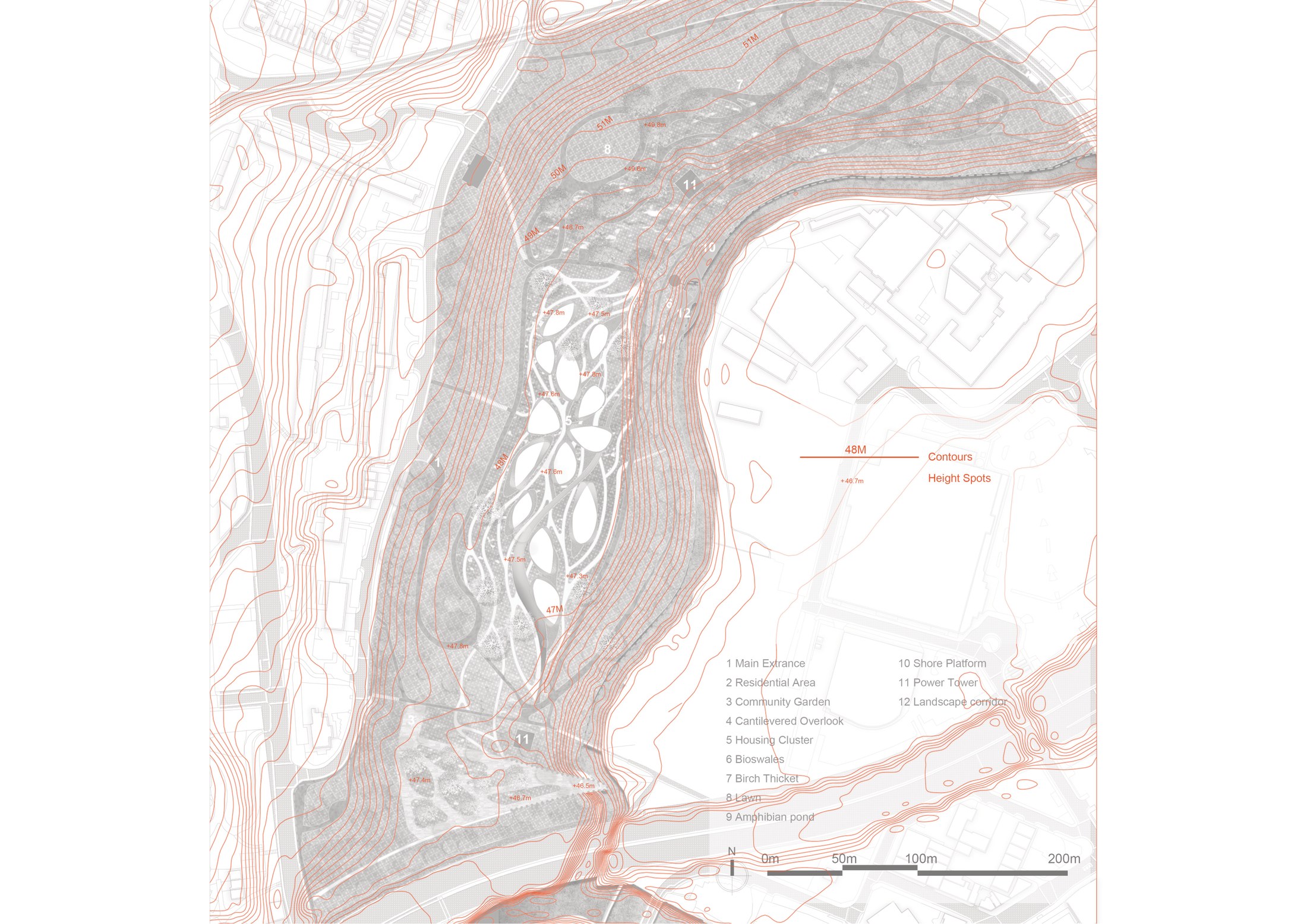
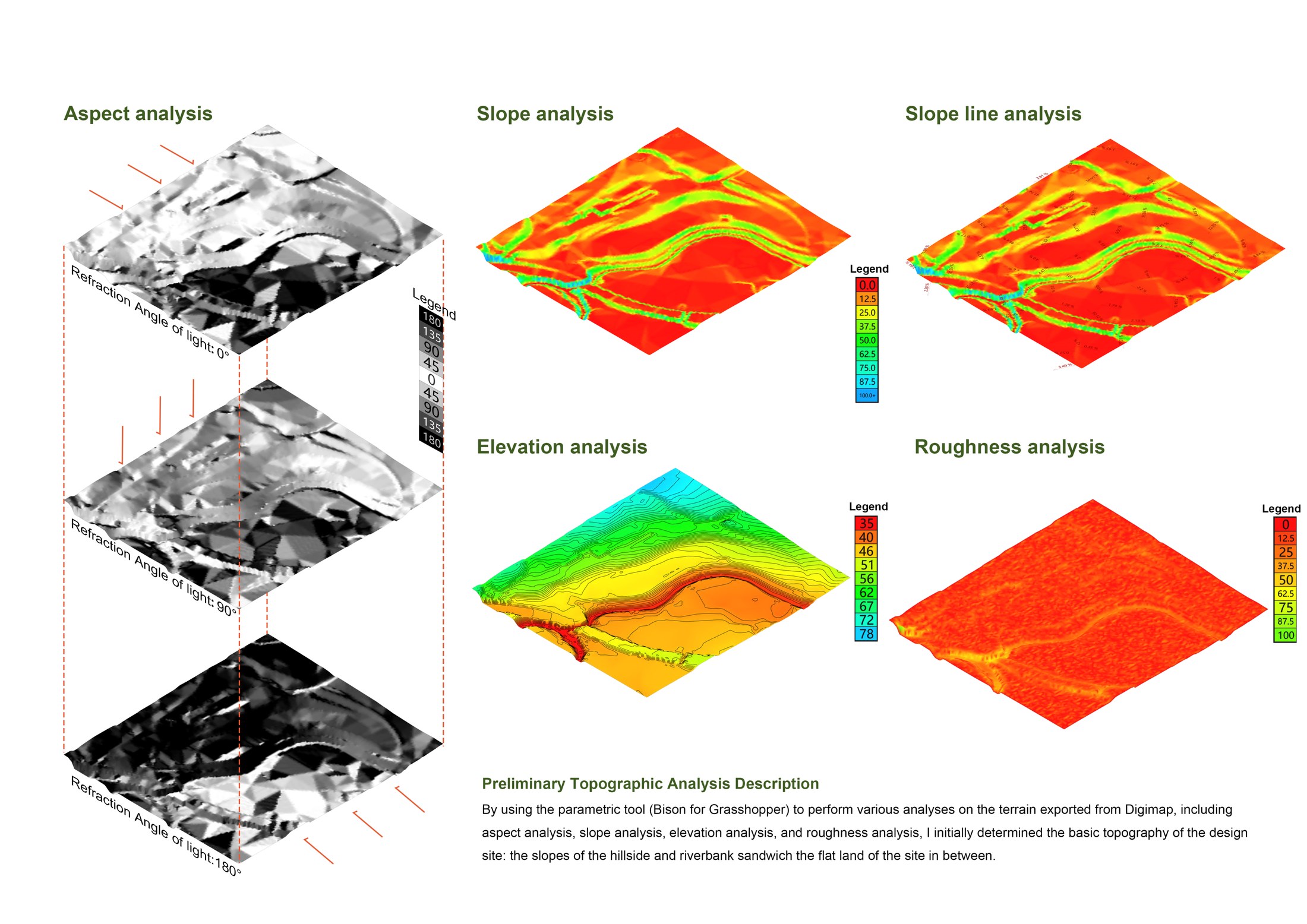
Topograhic Analysis
05Topograhic Analysis
Social Activity
06Social Activity
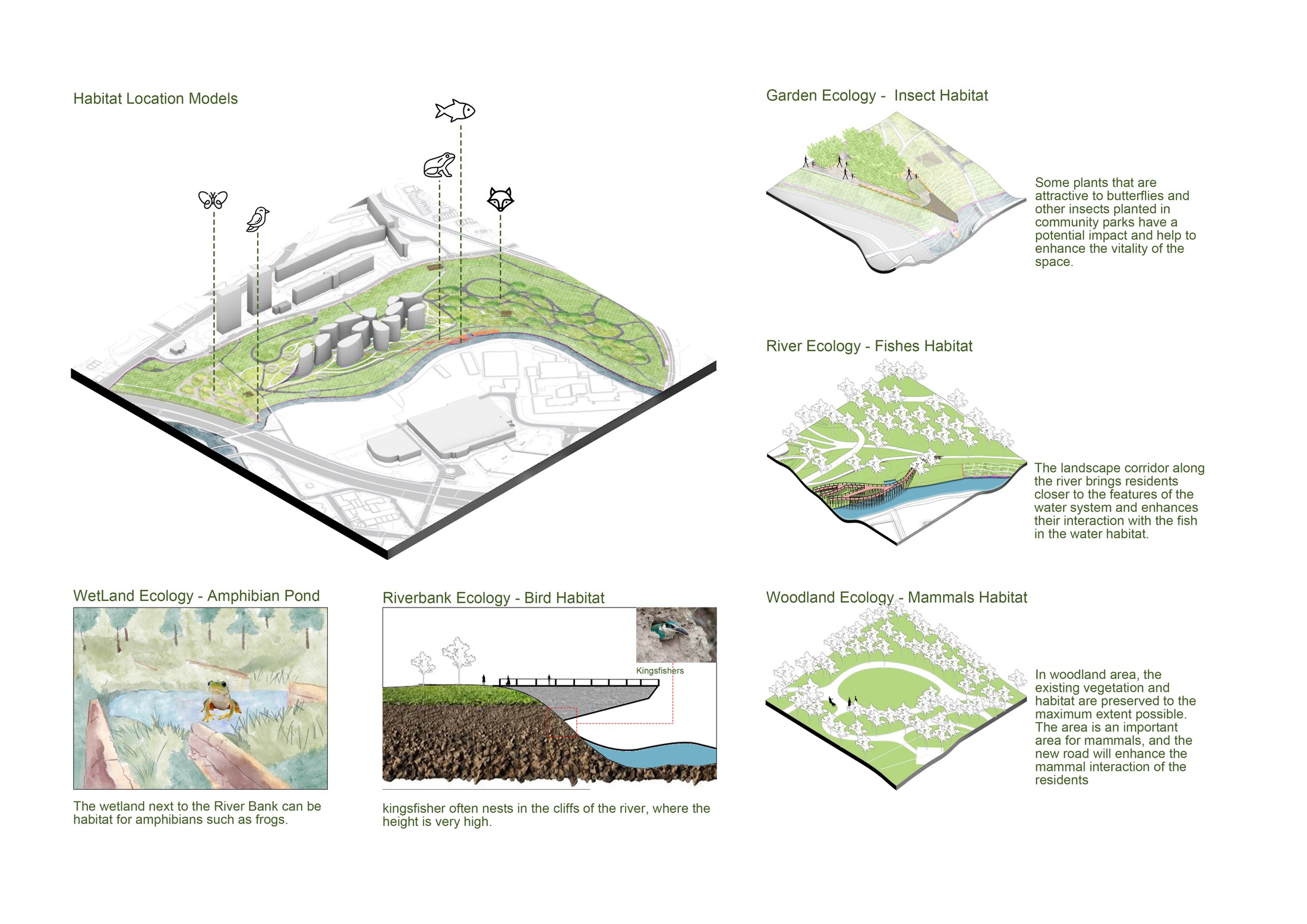
Ecology and Biodiversity
07Ecology and Biodiversity
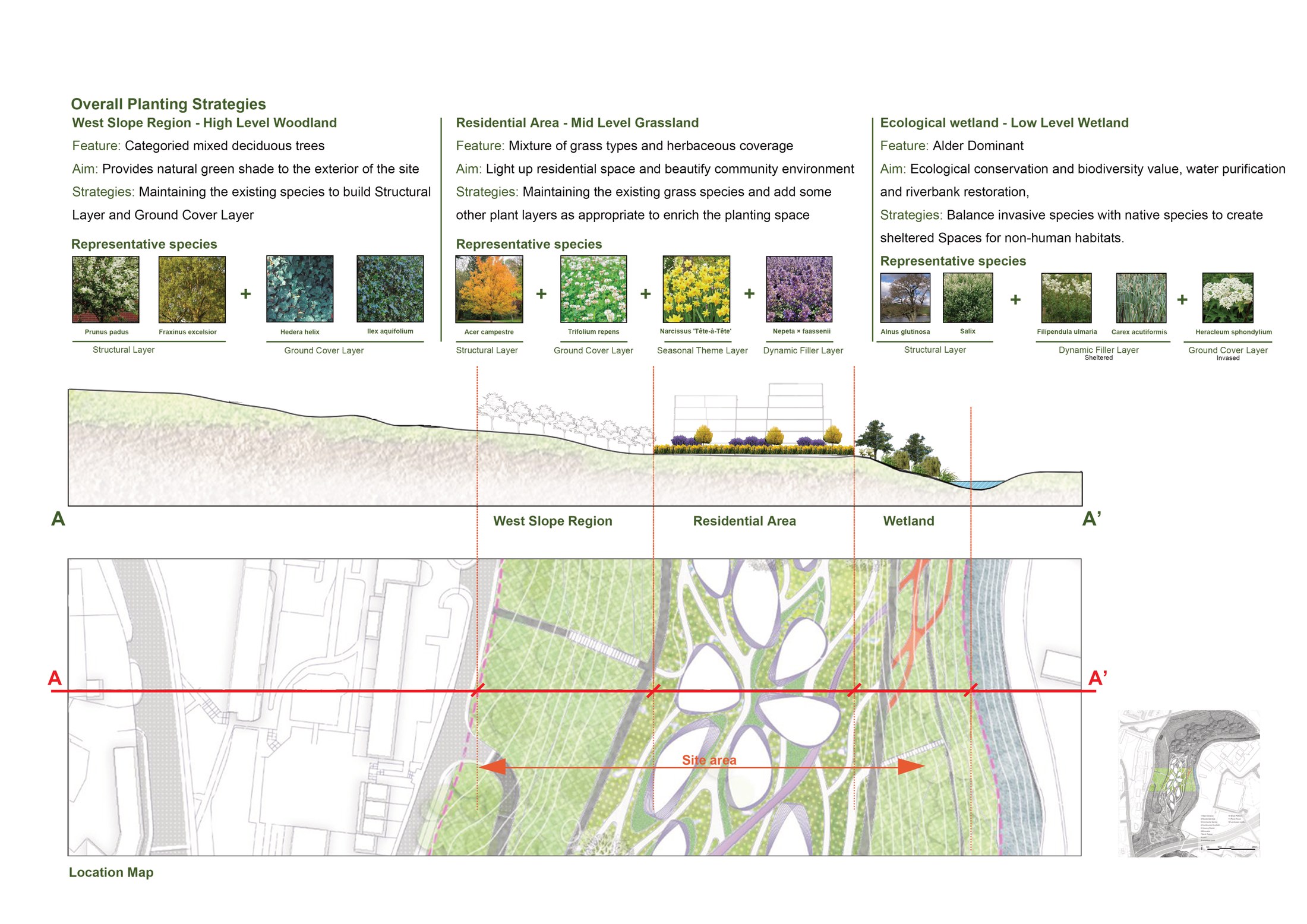
Planting Design
08Planting Design
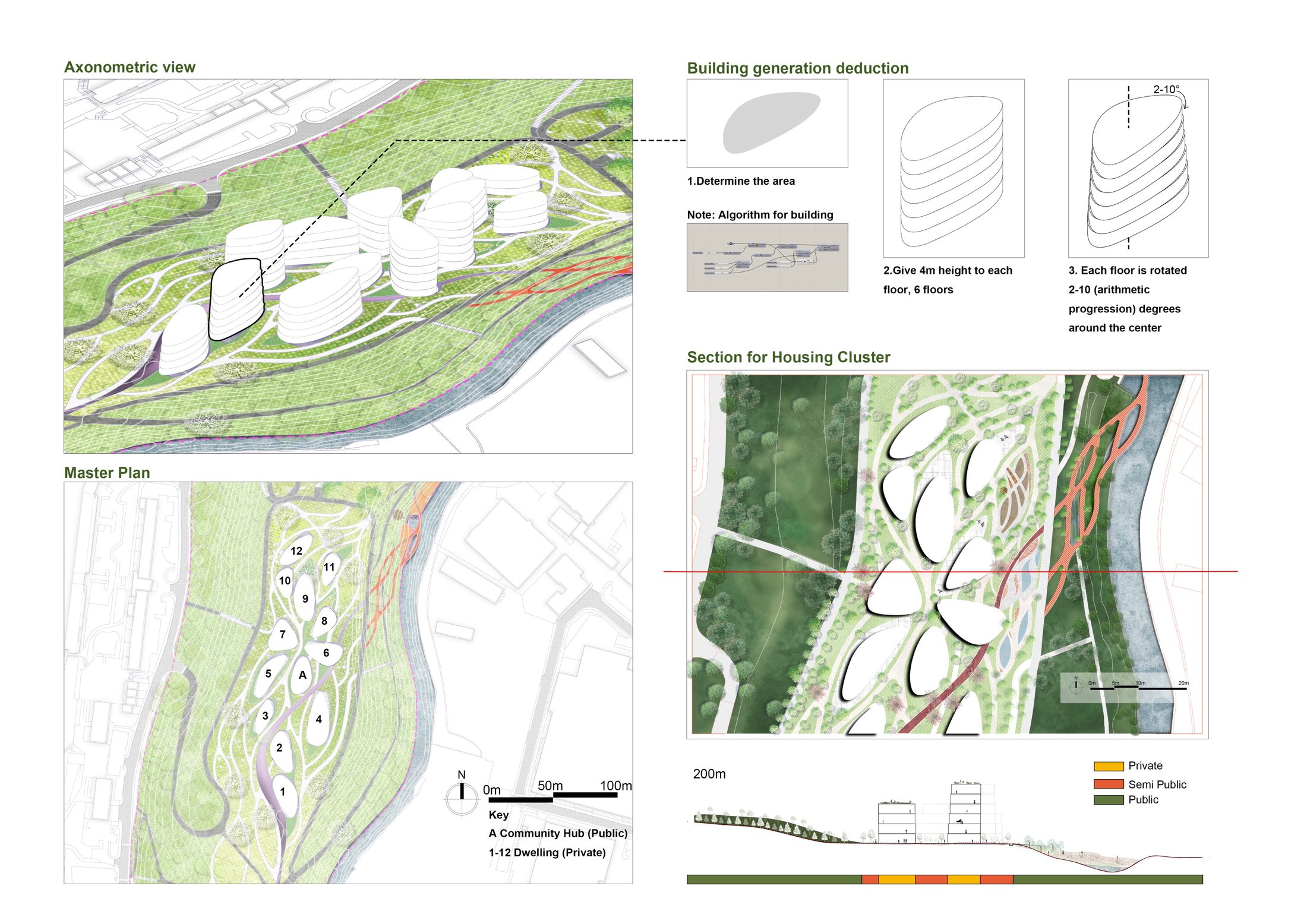
Housing and Residential Area
09Housing and Residential Area
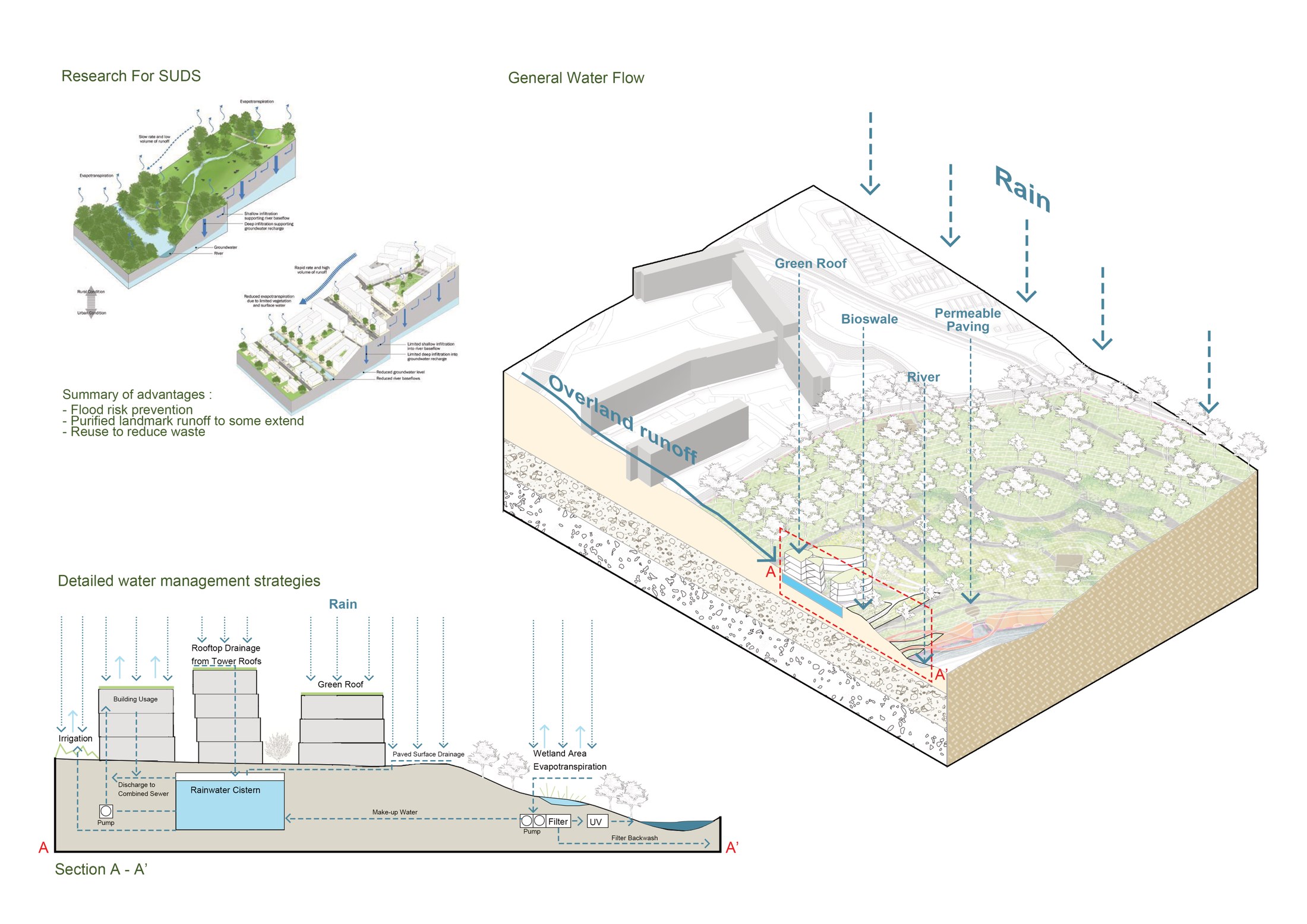
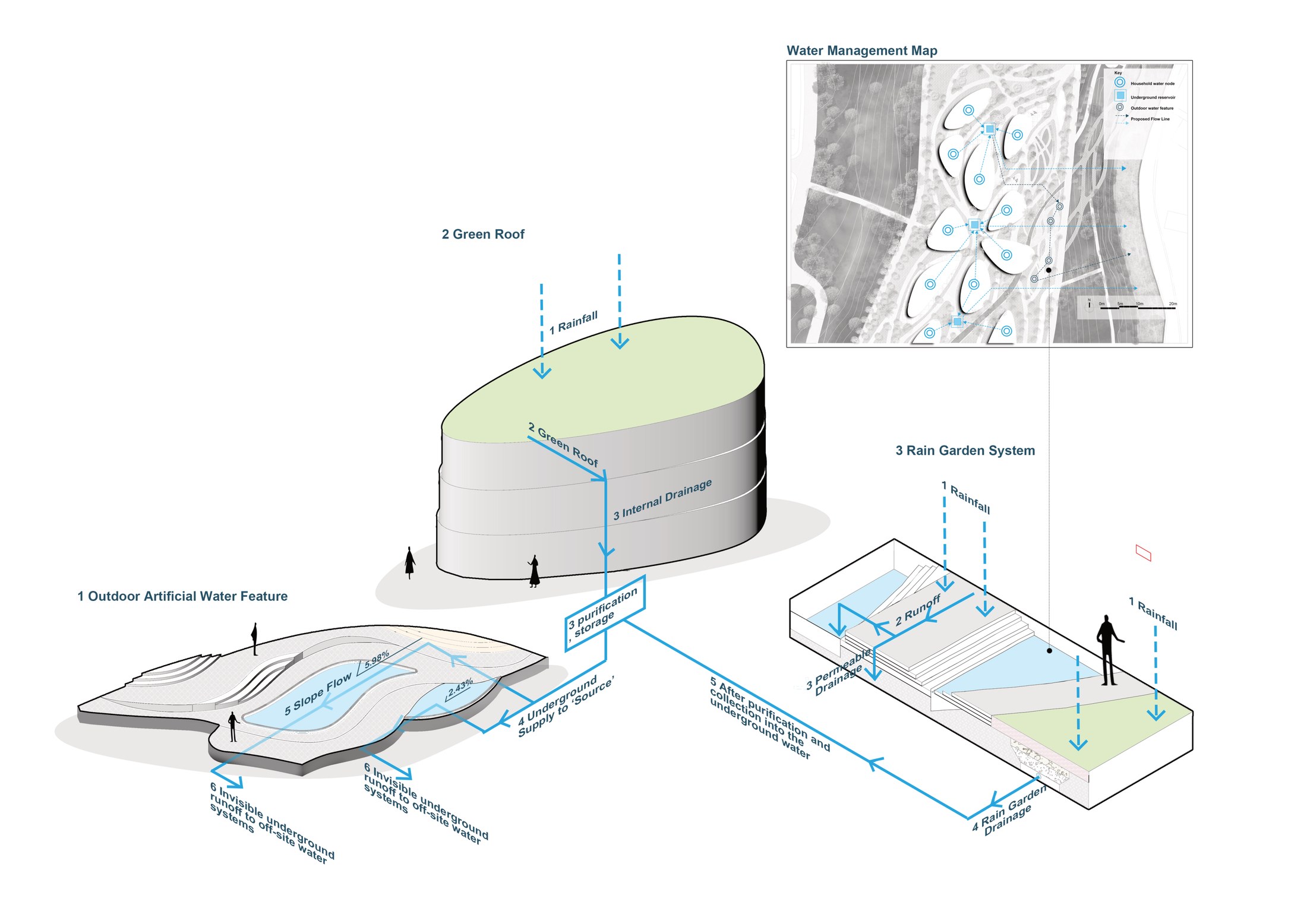
General Water Management Strategy
10General Water Management Strategy
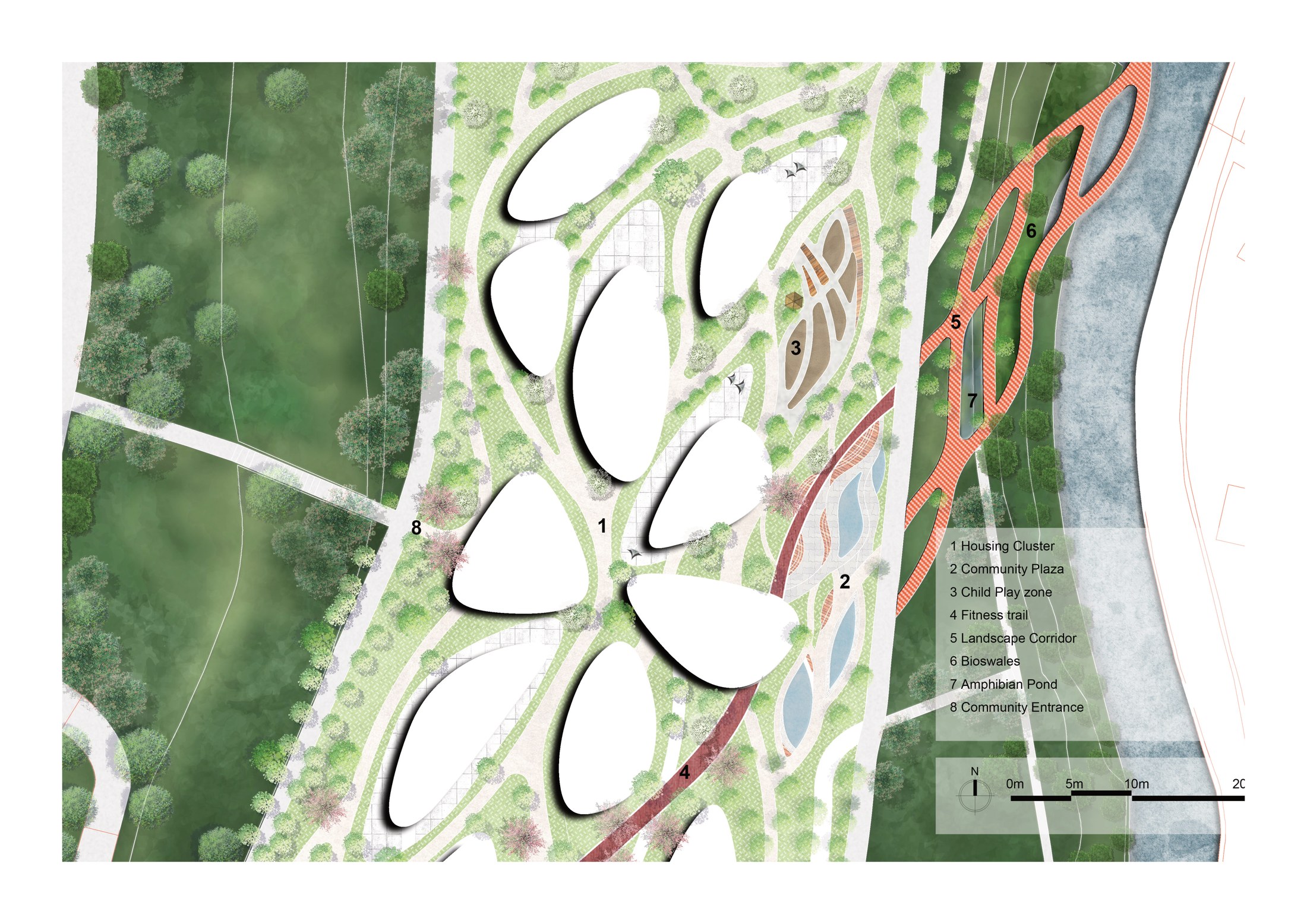
Masterplan with a 1.500 scale
11Masterplan with a 1.500 scale
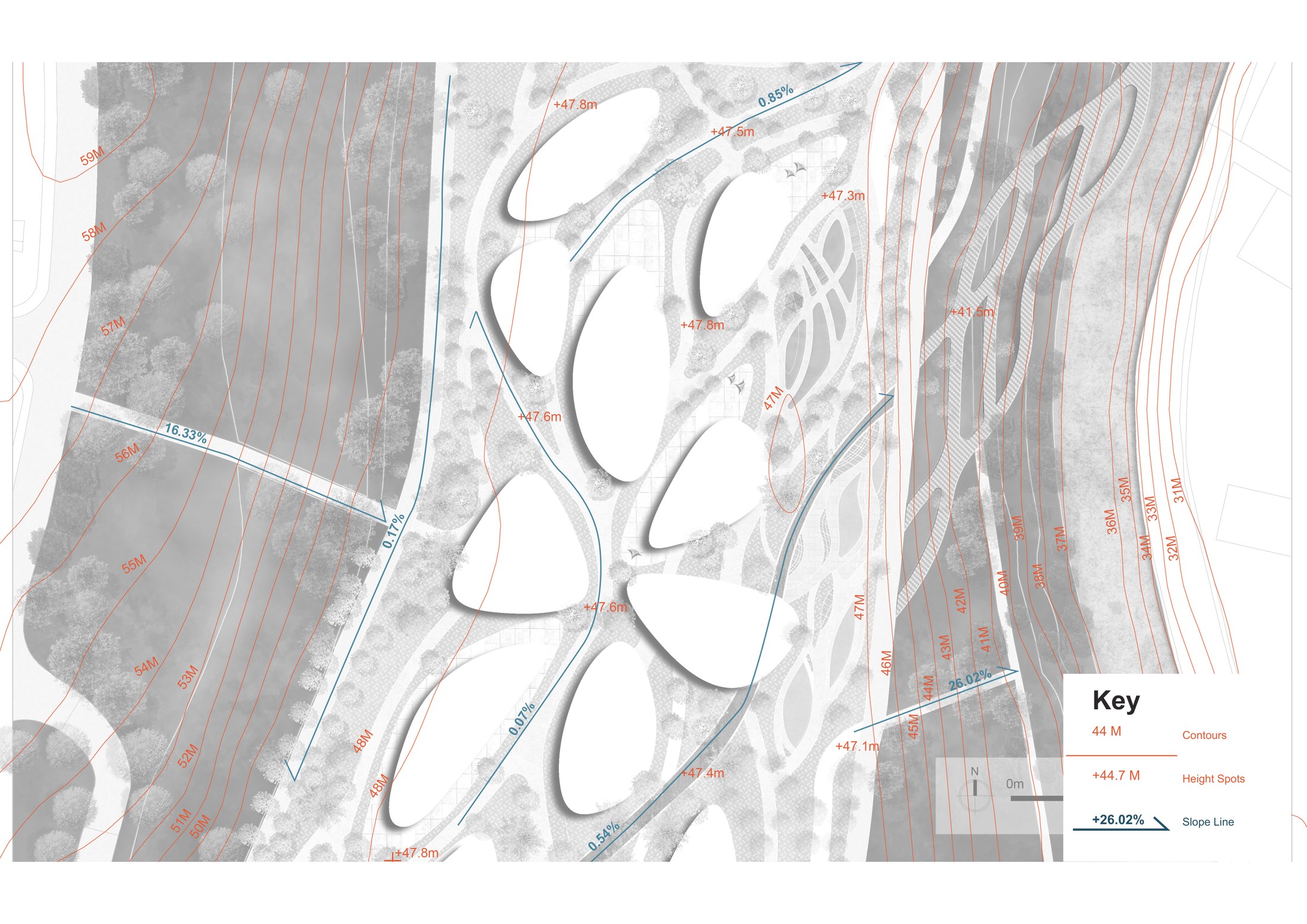
Topographic Analysis for Refined Master Plan (1.500)
12Topographic Analysis for Refined Master Plan (1.500)
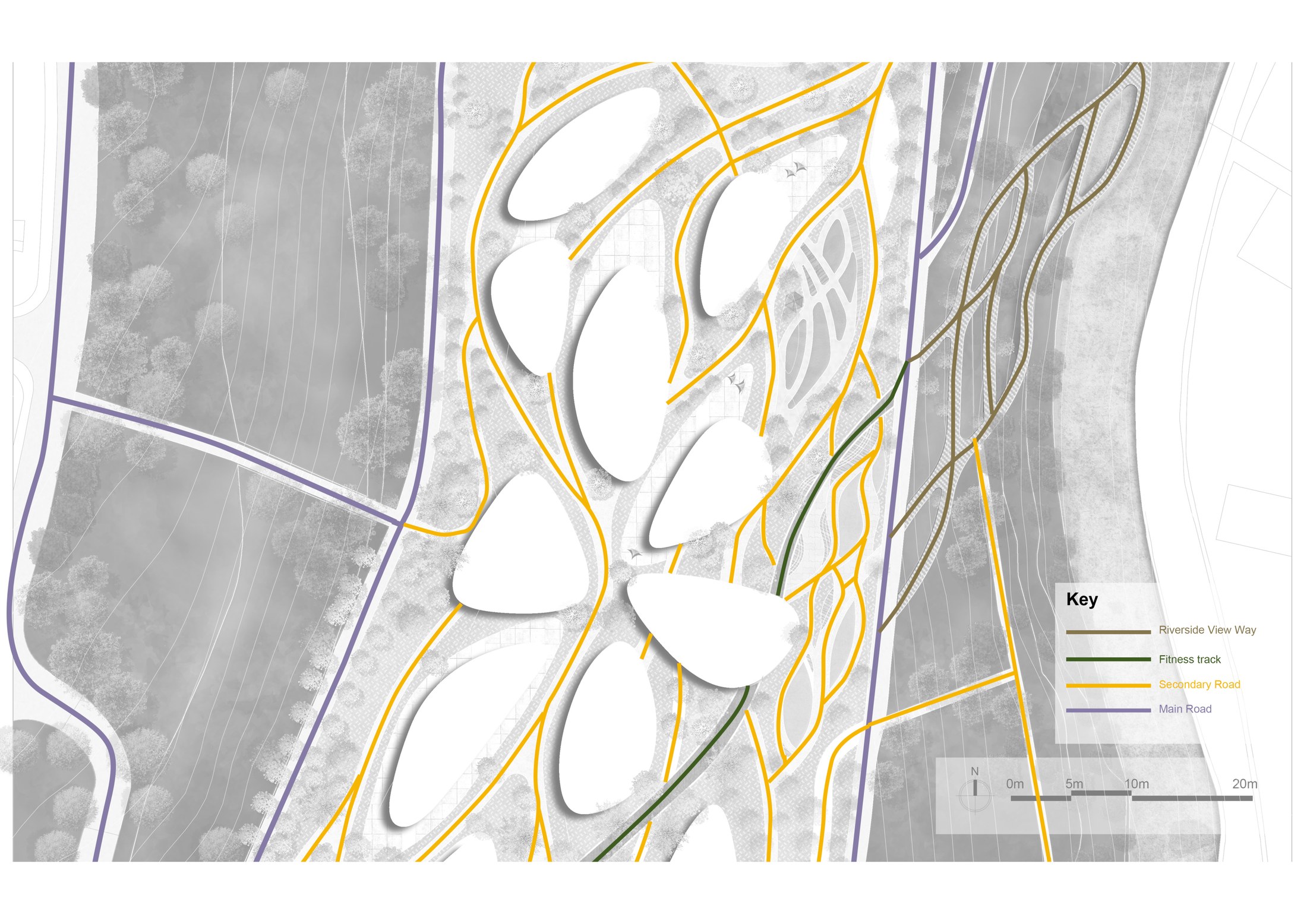
Circulations Analysis for Refined Master Plan
13Circulations Analysis for Refined Master Plan
Land Use Analysis for Refined Master Plan
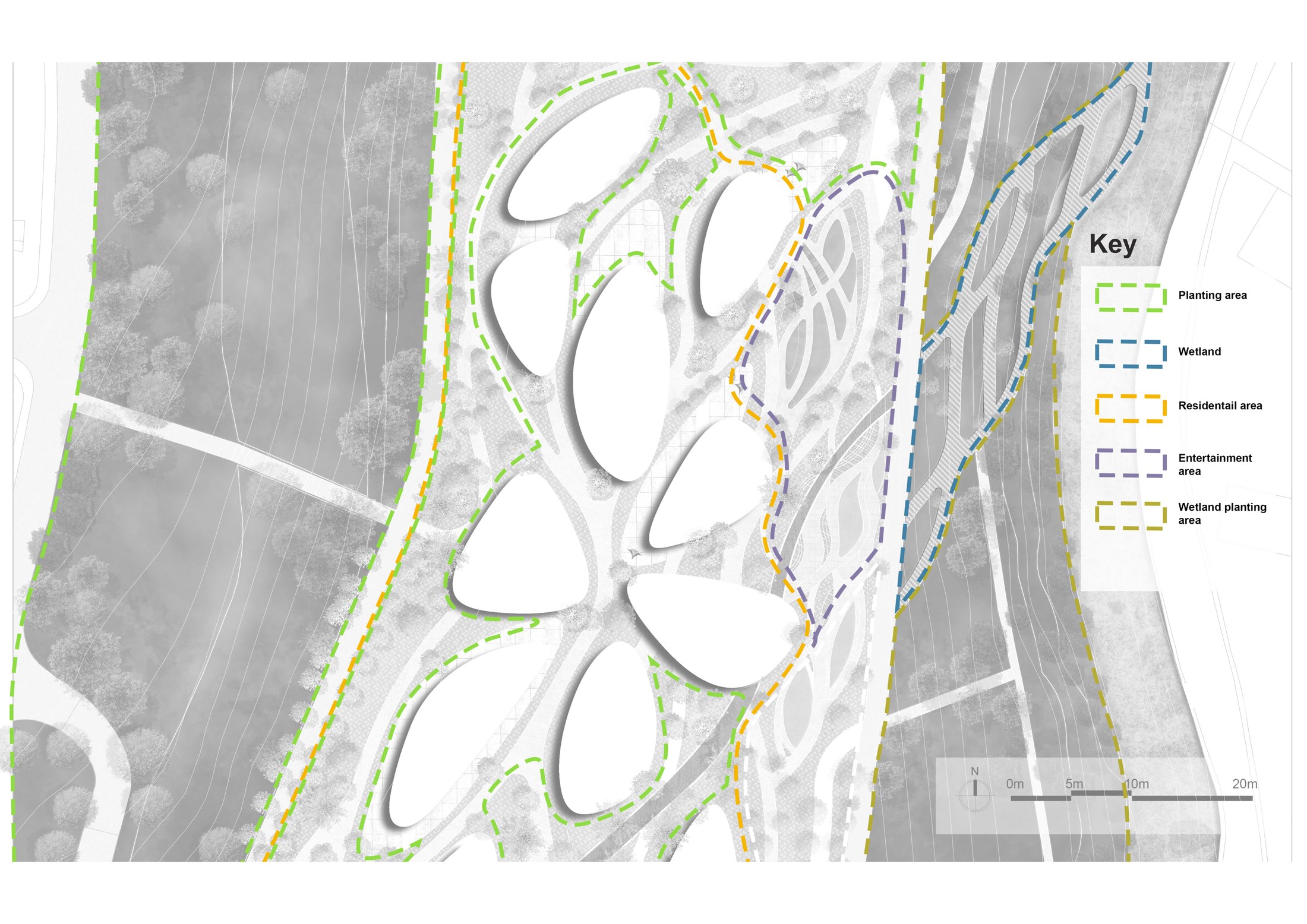
14Land Use Analysis for Refined Master Plan
Infrastructure for Refined Master Plan
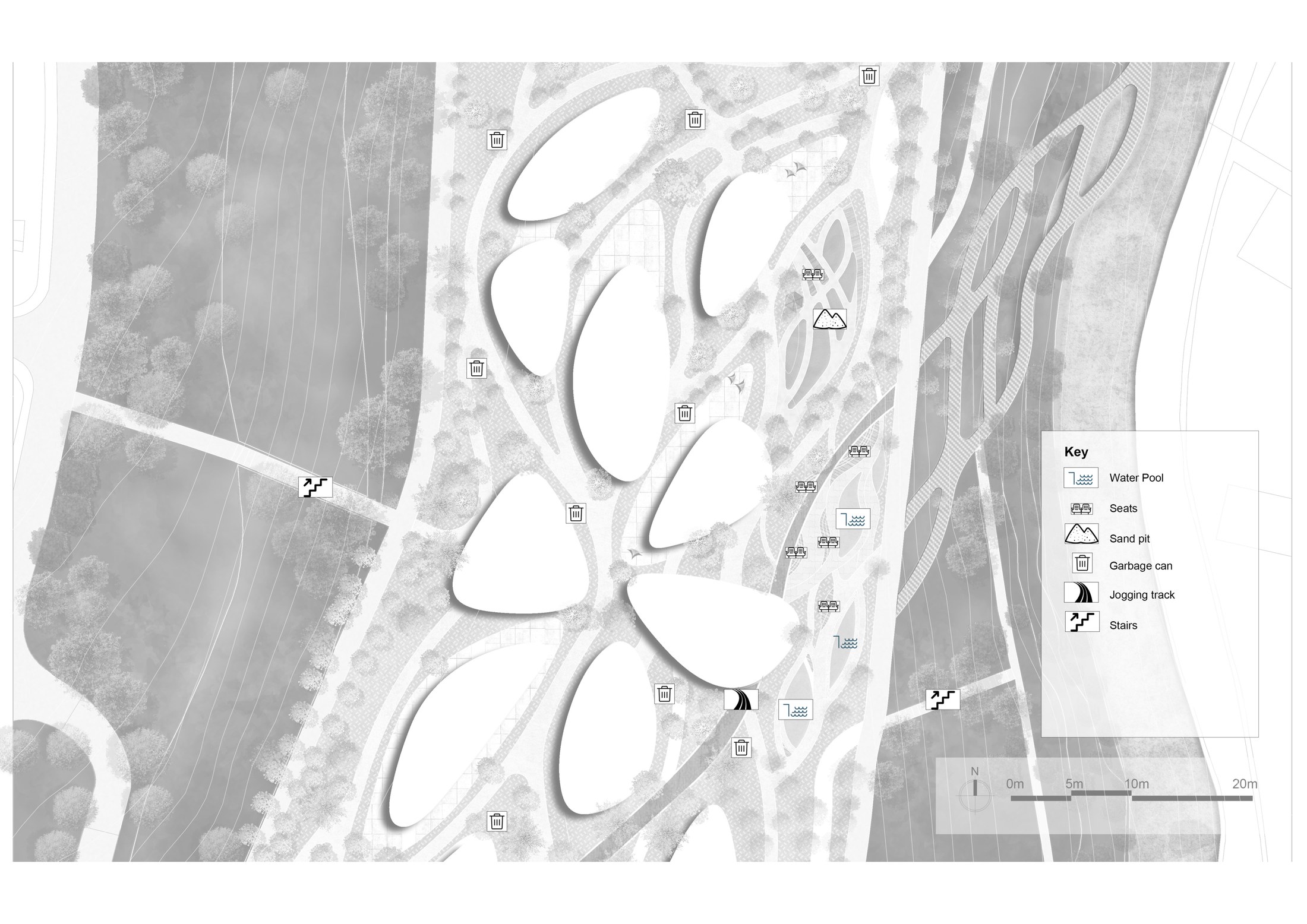
15Infrastructure for Refined Master Plan
Integrated planting strategy
16Integrated planting strategy
Integrated water management strategy
17Integrated water management strategy
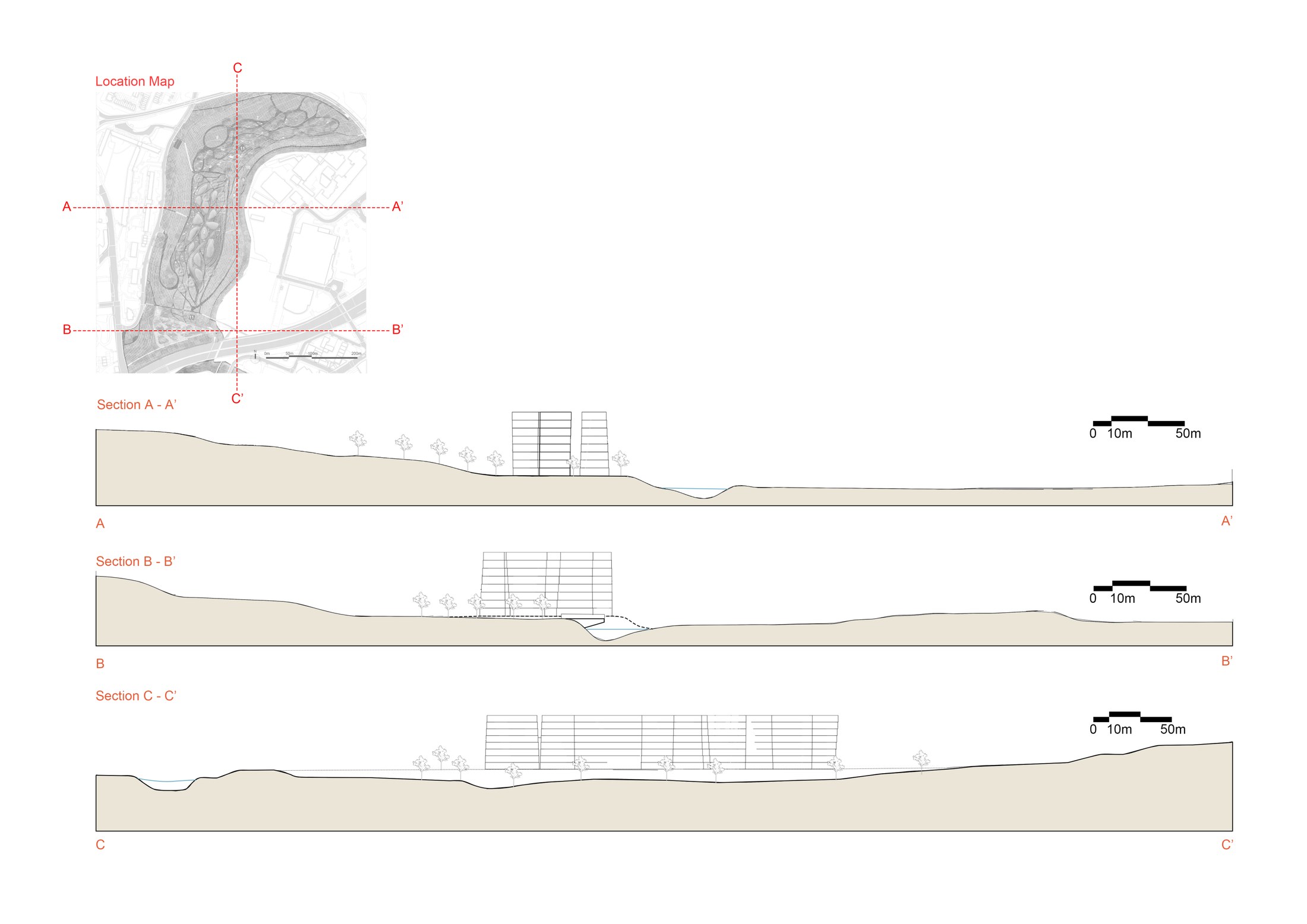
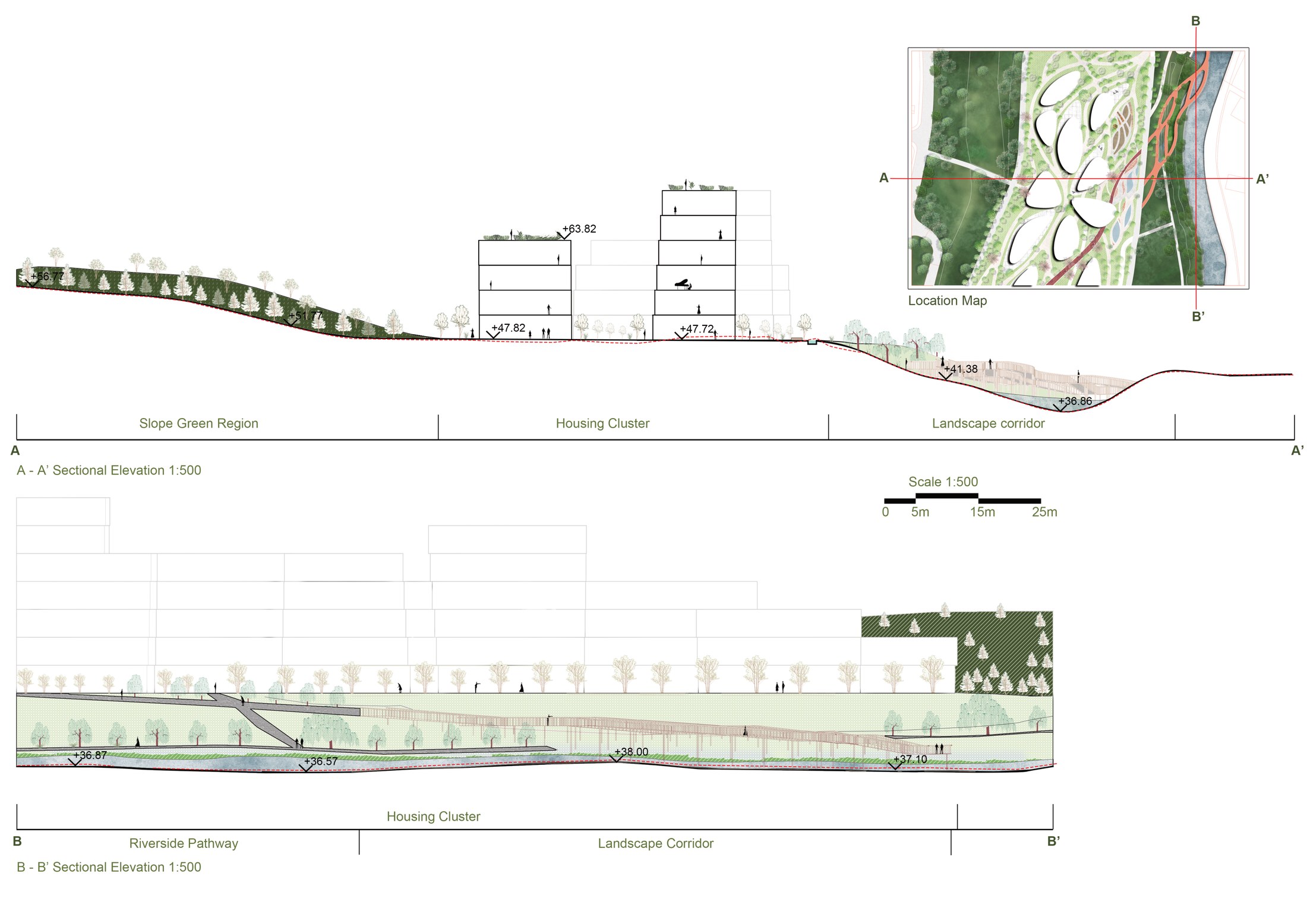
Sectional elevations
18Sectional elevations
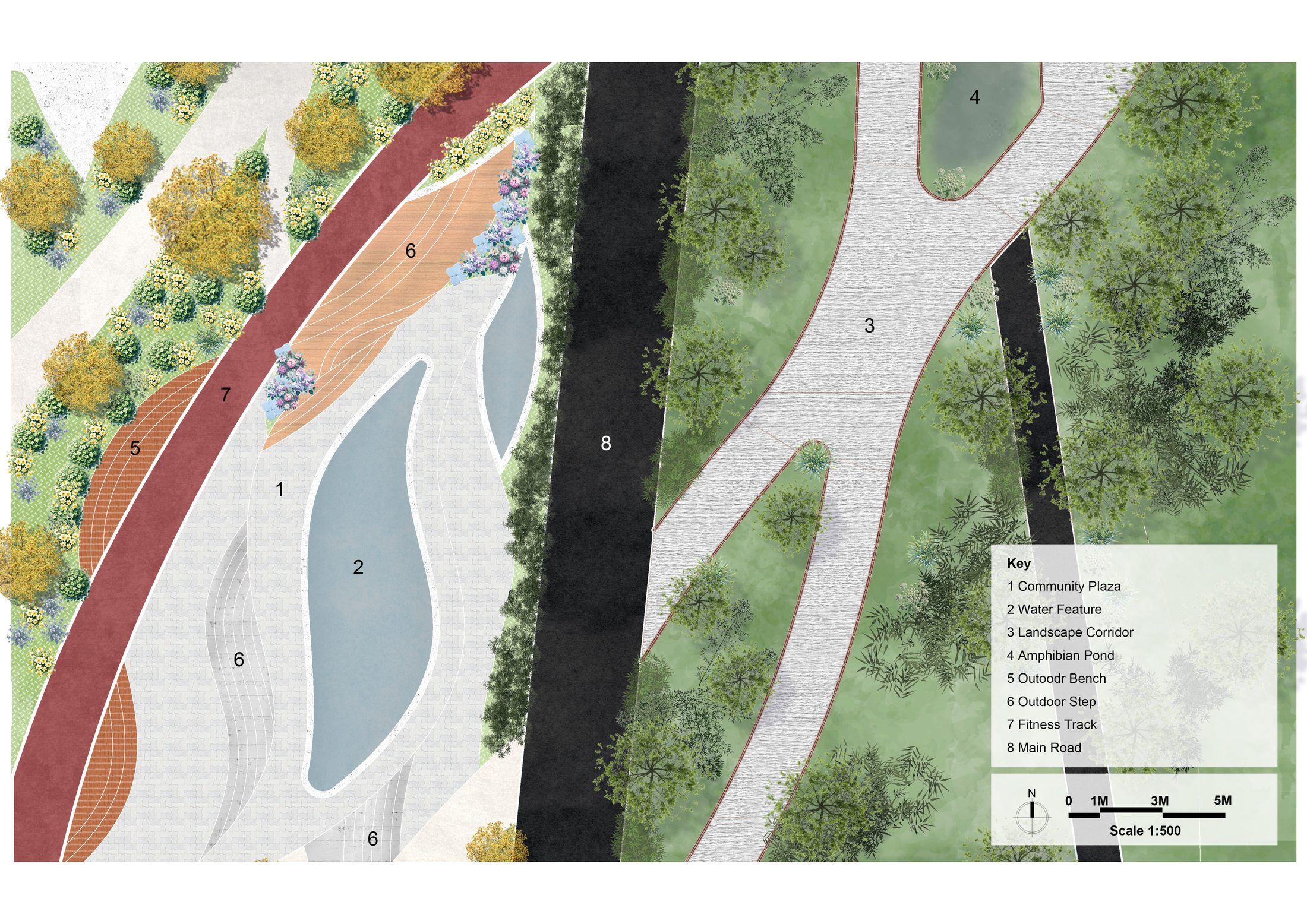
Key area design @ 1.100
19Key area design @ 1.100
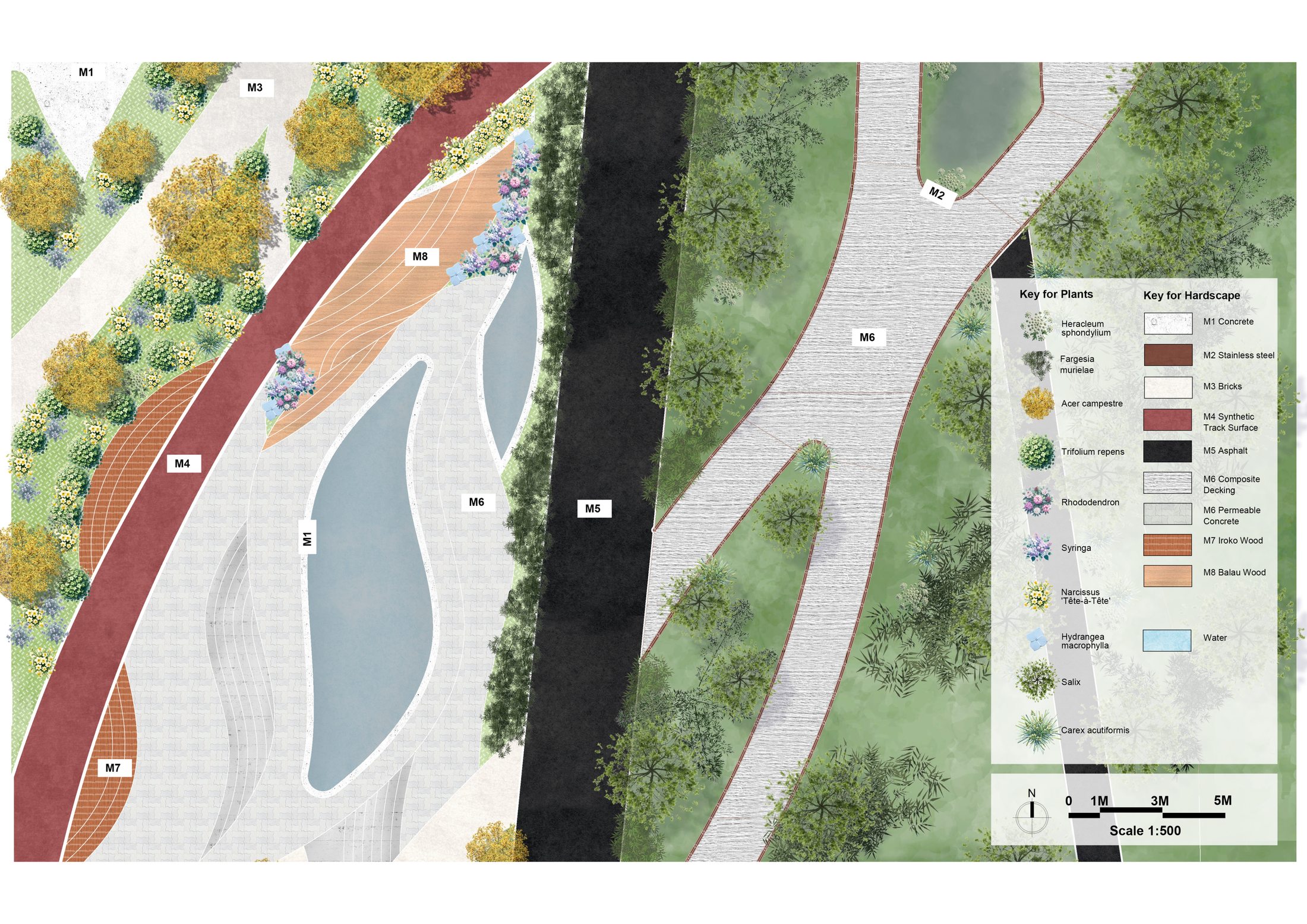
Atmospheric planting+ materials plan
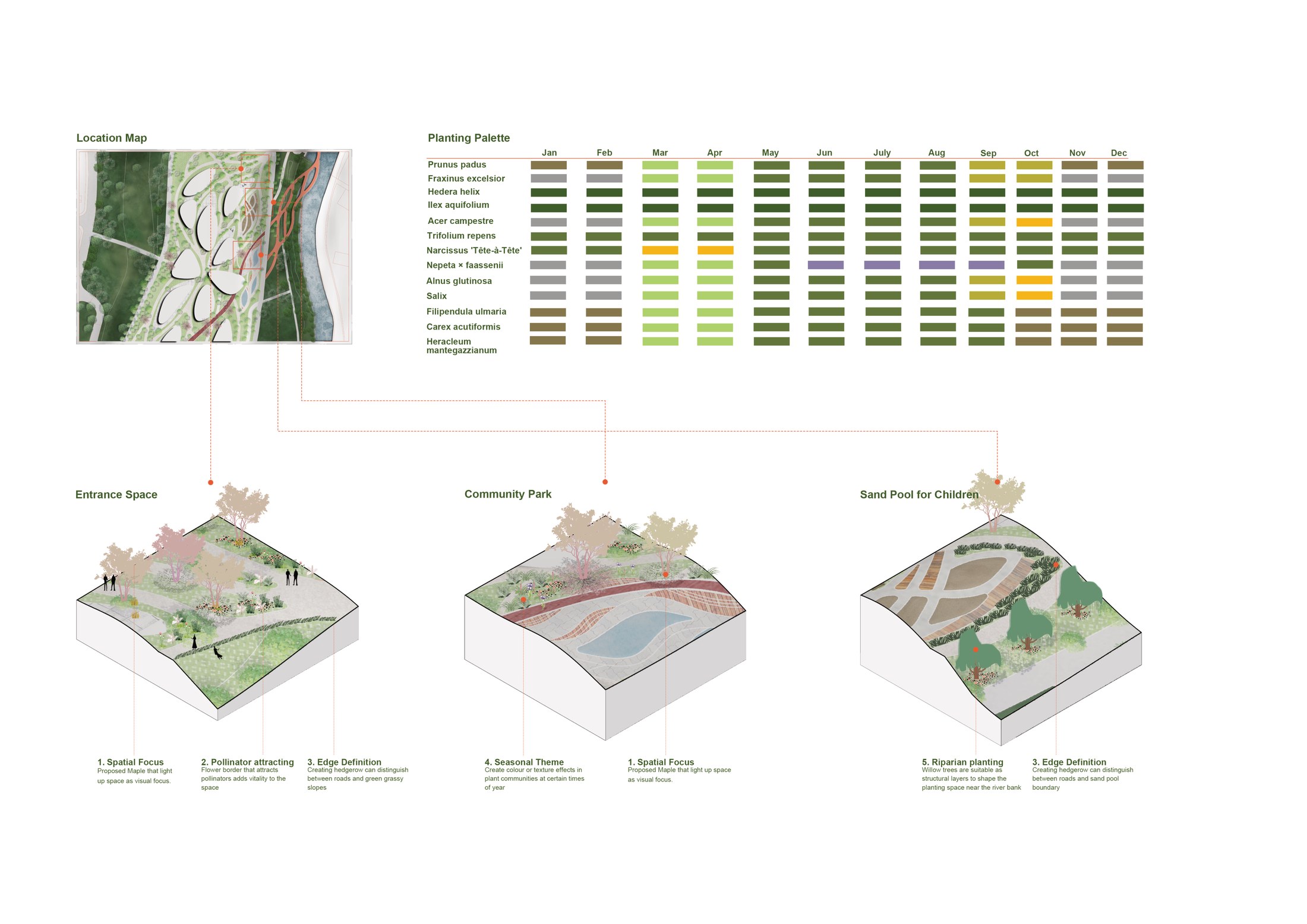
20Atmospheric planting+ materials plan
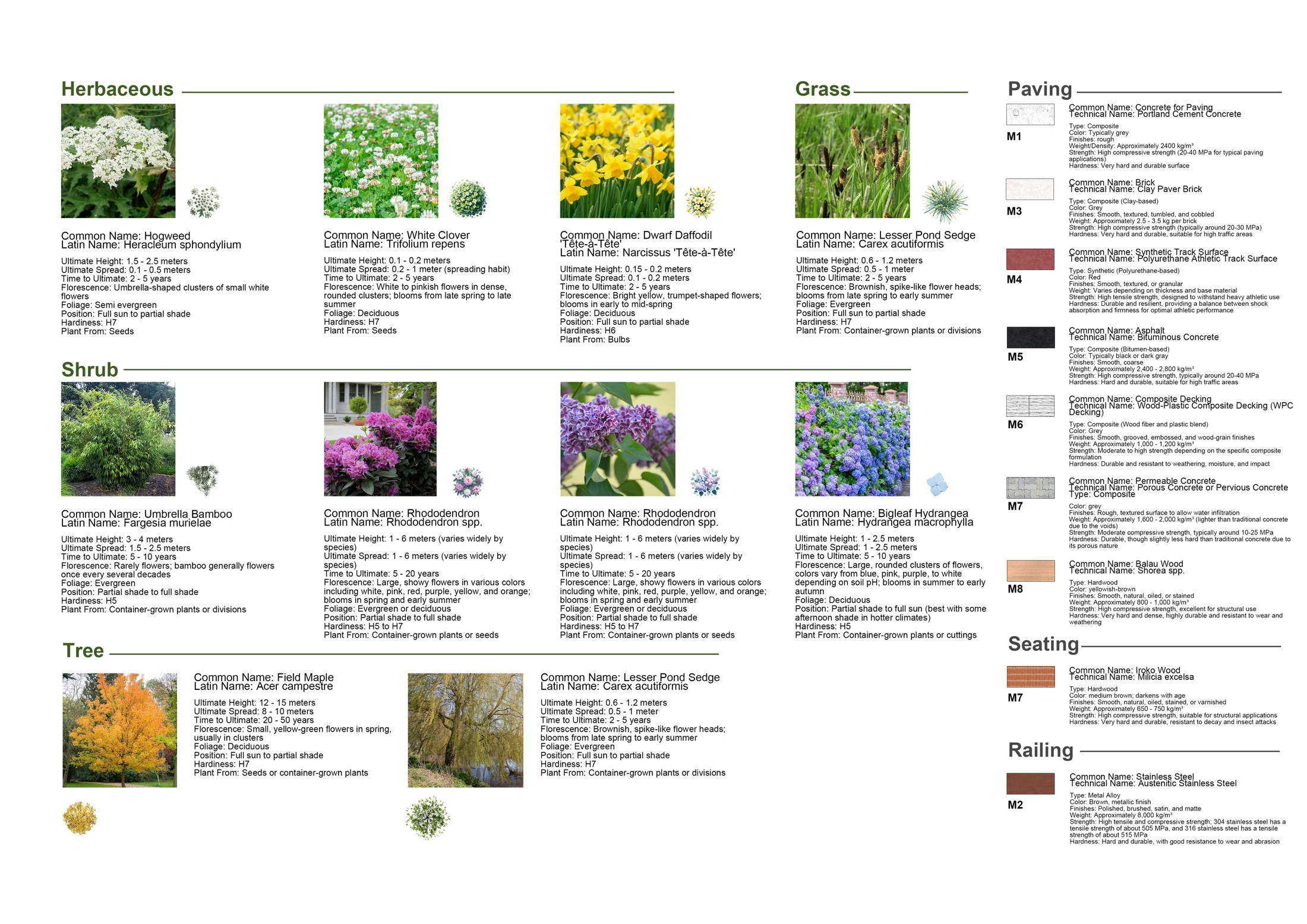
Plants + Material Pallette
21Plants + Material Pallette
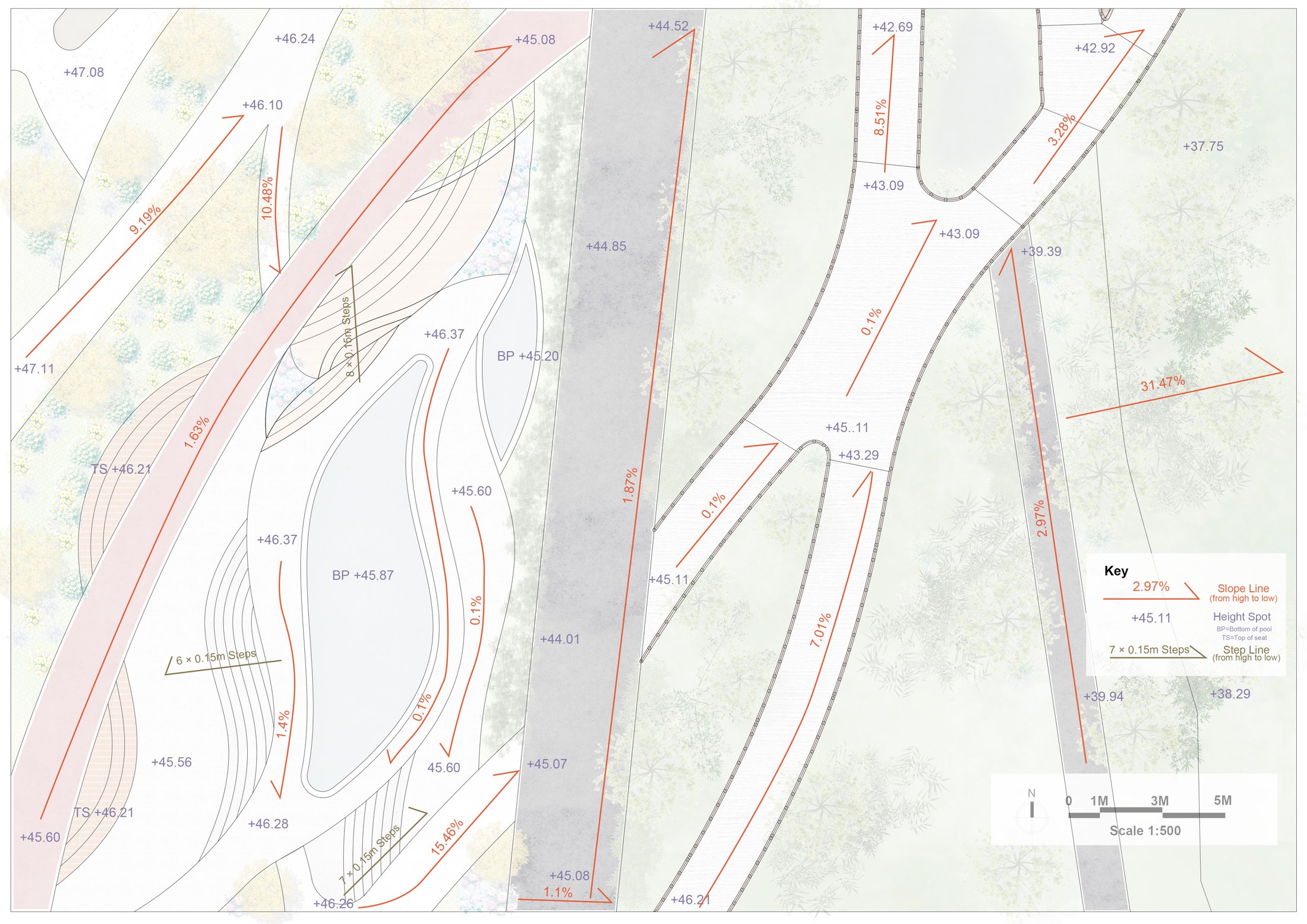
Topographic Plan
22Topographic Plan
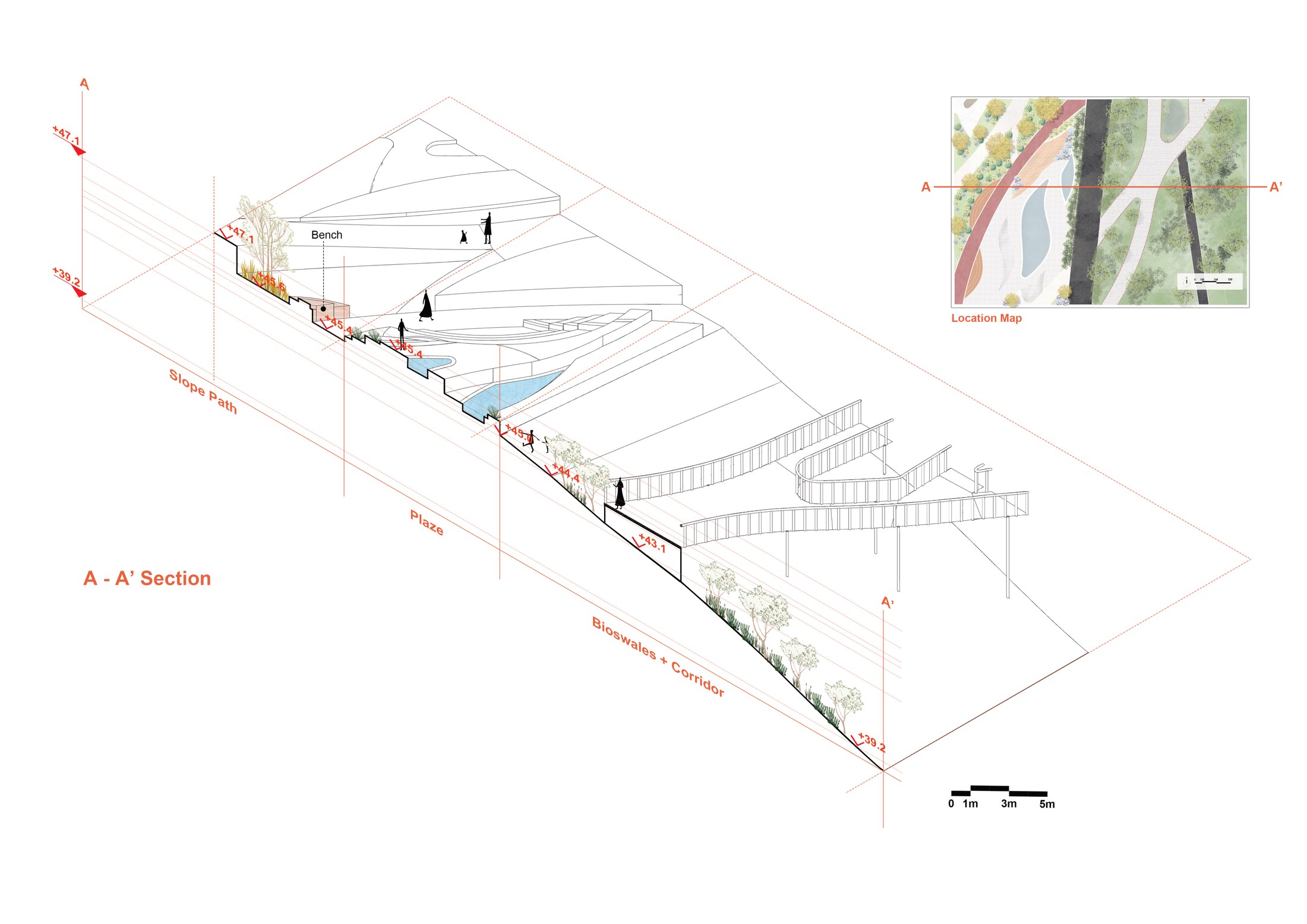
Section A - A'
23Section A - A'
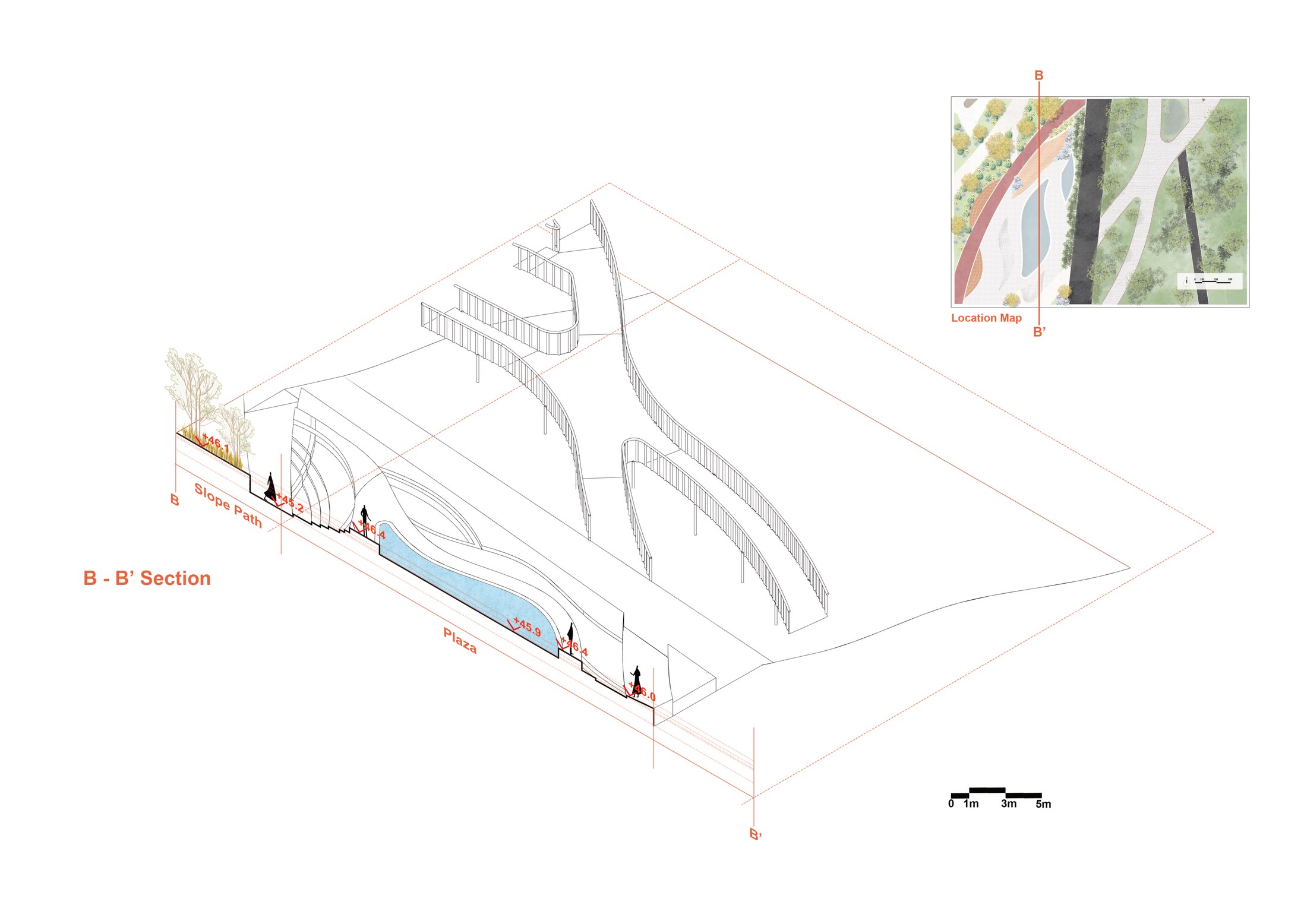
Section B - B'
24Section B - B'
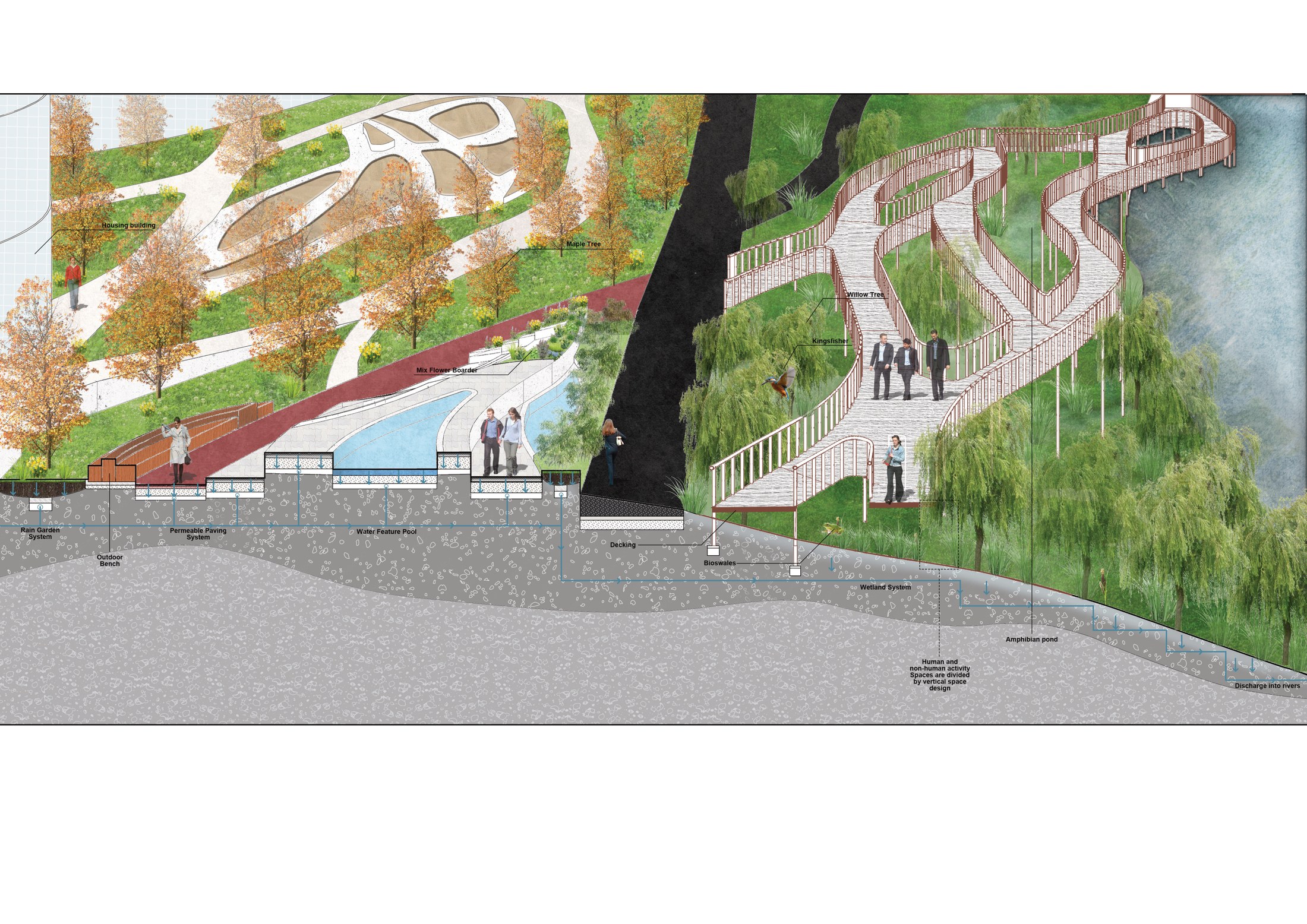
Integrated landscape systems sectional diagram
25Integrated landscape systems sectional diagram

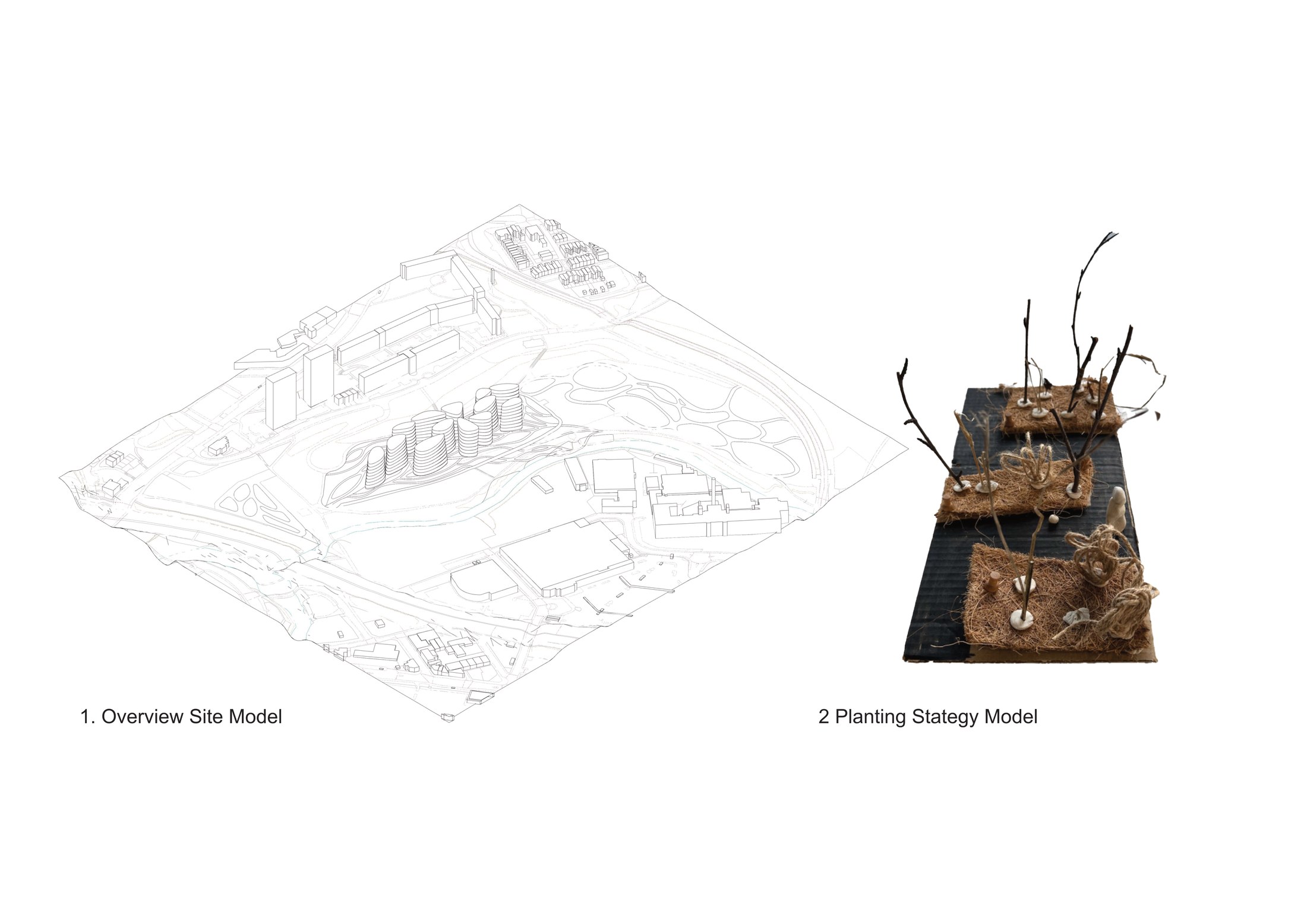
Site Model

[ 04 / 05 ]
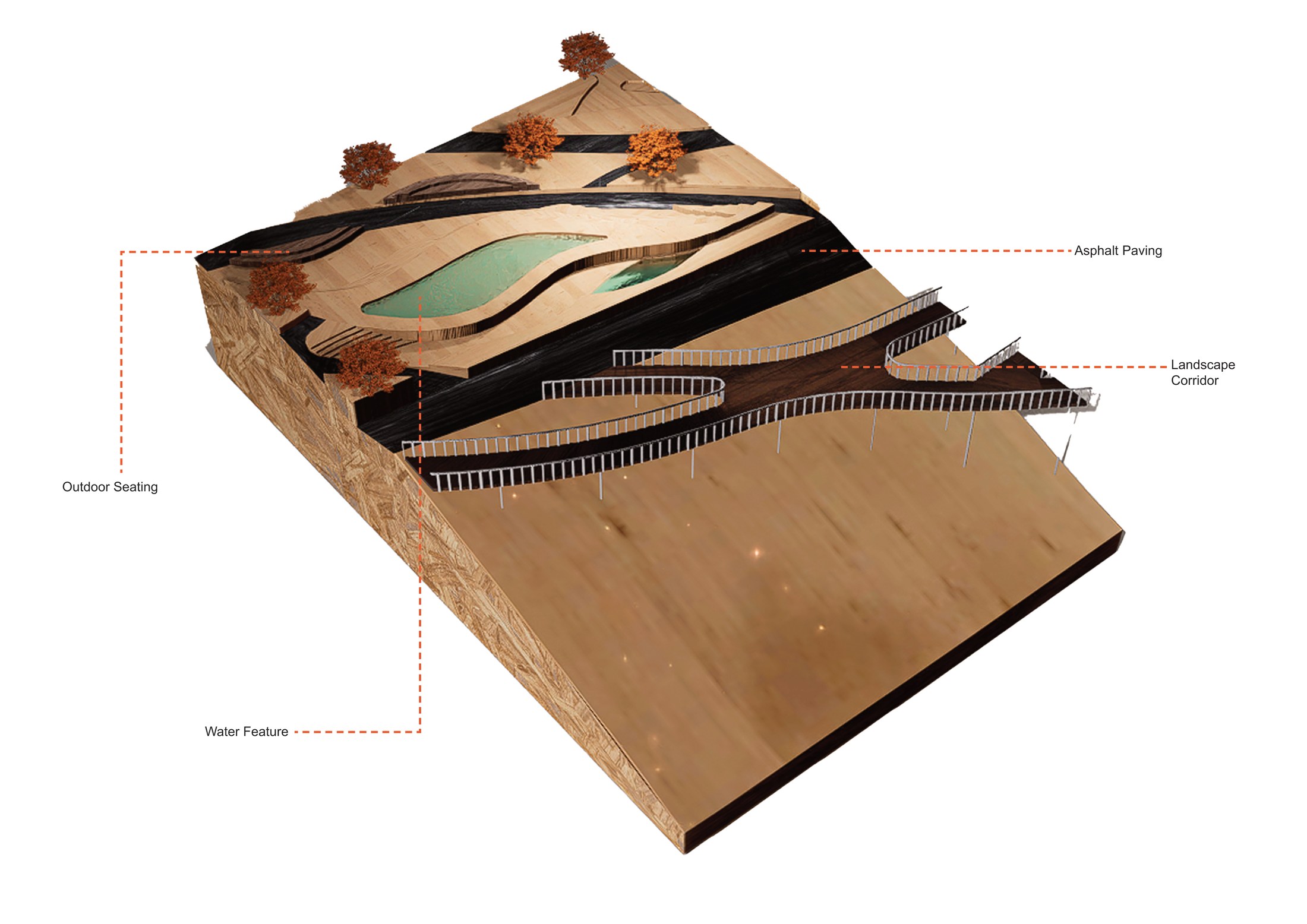
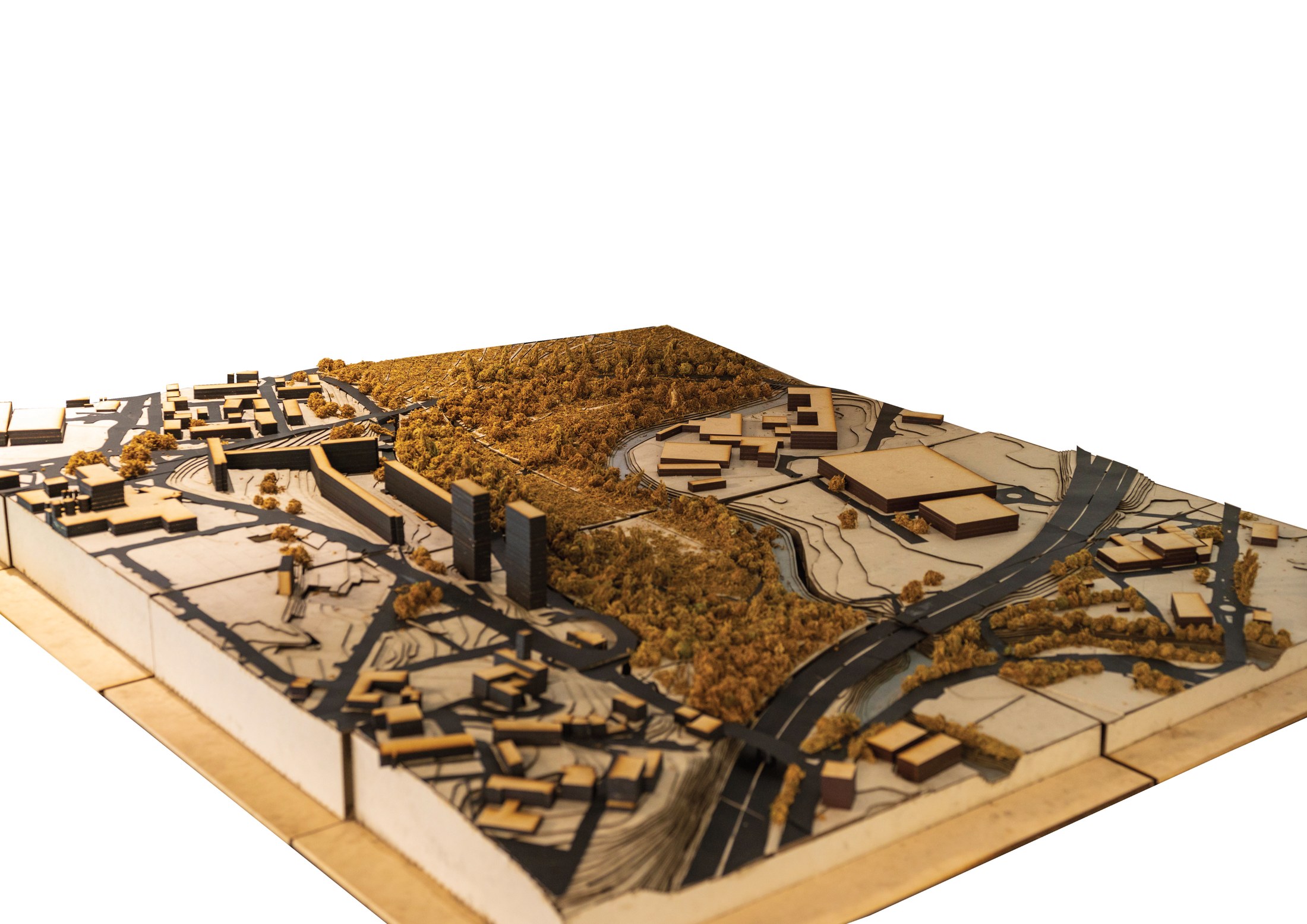
Site Model for 1.100 Scale
01Site Model for 1.100 Scale
Site Model in General perspective
02Site Model in General perspective

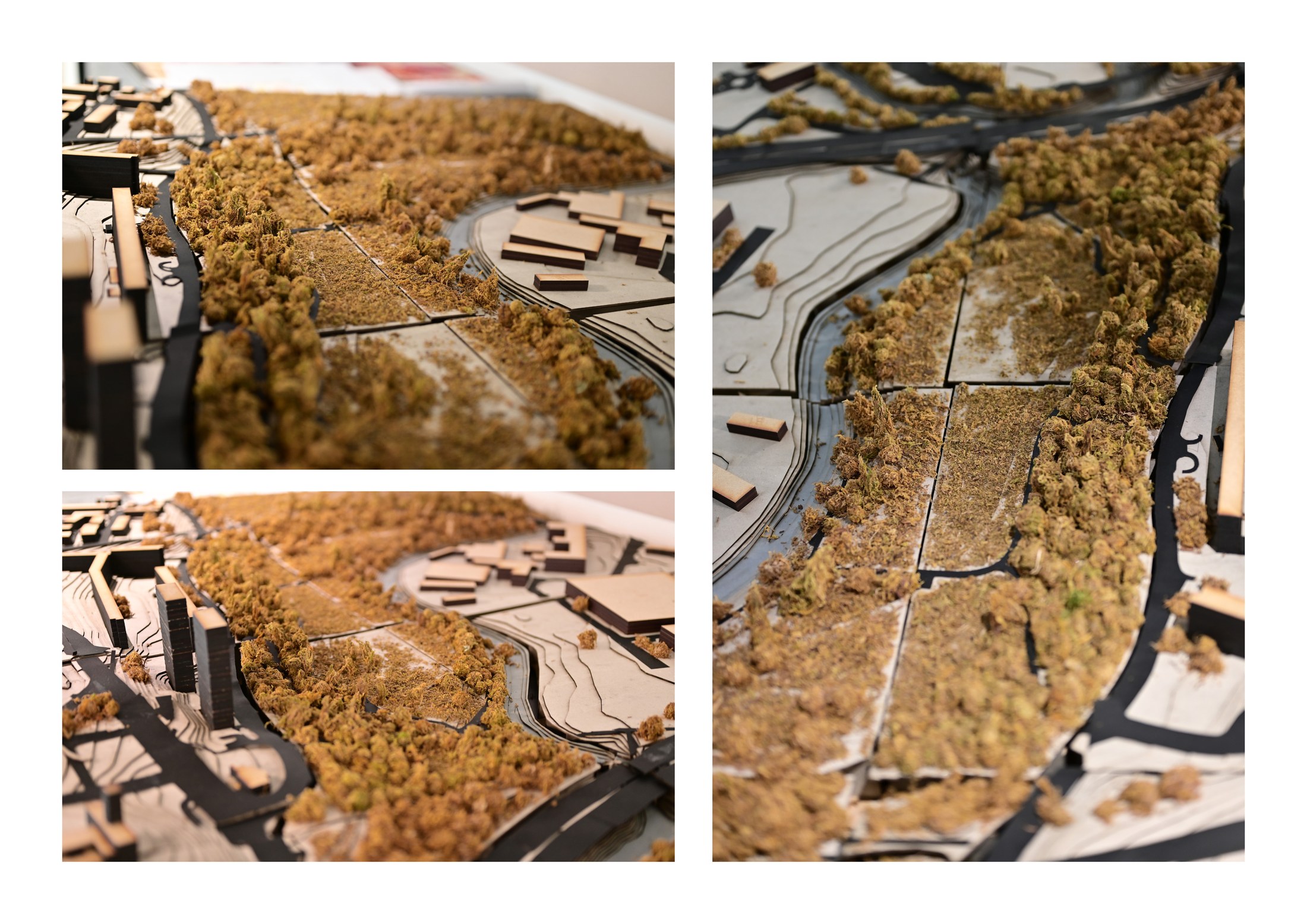
Team work by MSA MLA 2025

Site Model in Detail
03Site Model in Detail

Team work by MSA MLA 2025

Bibliography

[ 05 / 05 ]

Selected references. Items with a published link open in a new tab.

  1. Queen Elizabeth Olympic Park, 2022. Parklands and Public Spaces. Visit ↗
  2. Orange County Great Park, 2018. Great Park Master Plan.
  3. American Society of Landscape Architects, 2016. Bishan-Ang Mo Kio Park | 2016 ASLA Professional Awards. Visit ↗
  4. Parks Canada, 2020. Banff National Park: Wildlife Corridors.
  5. Galápagos Conservancy, 2019. Invasive Species Management in the Galápagos.
  6. The High Line, 2021. The High Line's Planting Design.
  7. Woods-Ballard, B., Kellagher, R., Martin, P., Jefferies, C., Bray, R. and Shaffer, P., 2015. The SuDS Manual. London: CIRIA, C753.
  8. Andoh, R.Y.G. and Iwugo, K.O., 2002. Sustainable urban drainage systems: a UK perspective. Global Solutions for Urban Drainage, pp.1-16.
  9. Environment Agency, 2020. Sustainable Drainage Systems: Maximizing the Potential for People and Wildlife.
  10. Dearborn, D.C. and Kark, S., 2010. Motivations for conserving urban biodiversity. Conservation Biology, 24(2), pp.432-440.
  11. Potts, S.G., Imperatriz-Fonseca, V., Ngo, H.T., et al., 2016. Safeguarding pollinators and their values to human well-being. Nature, 540(7632), pp.220-229.
  12. Food and Agriculture Organization of the United Nations, n.d. Integrated Pest Management. Visit ↗
  13. United States Environmental Protection Agency, 2020. Integrated Pest Management (IPM) Principles. Visit ↗
  14. Rewilding Britain, n.d. What is Rewilding? Visit ↗
  15. The Wildlife Trusts, n.d. Rewilding. Visit ↗
  16. Susdrain, n.d. Sustainable Drainage. Visit ↗
  17. John Hartshorn, 2022. Yorkshire Rewilding Network. Visit ↗